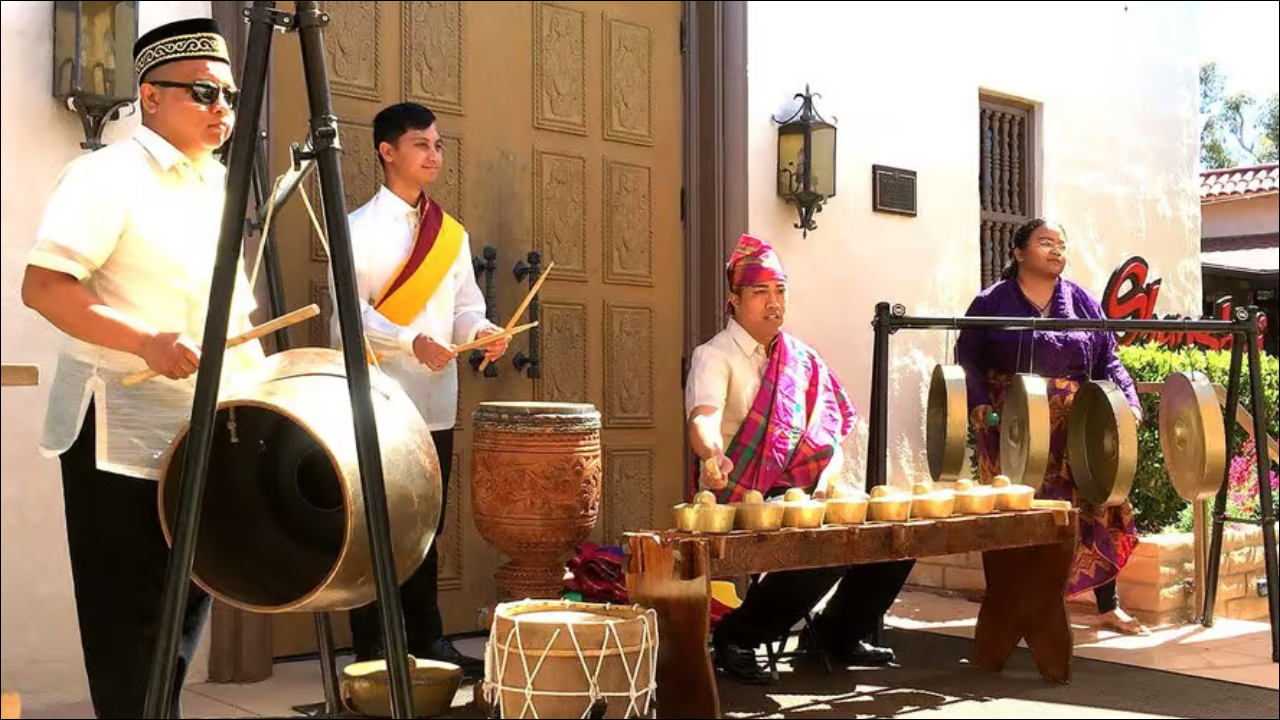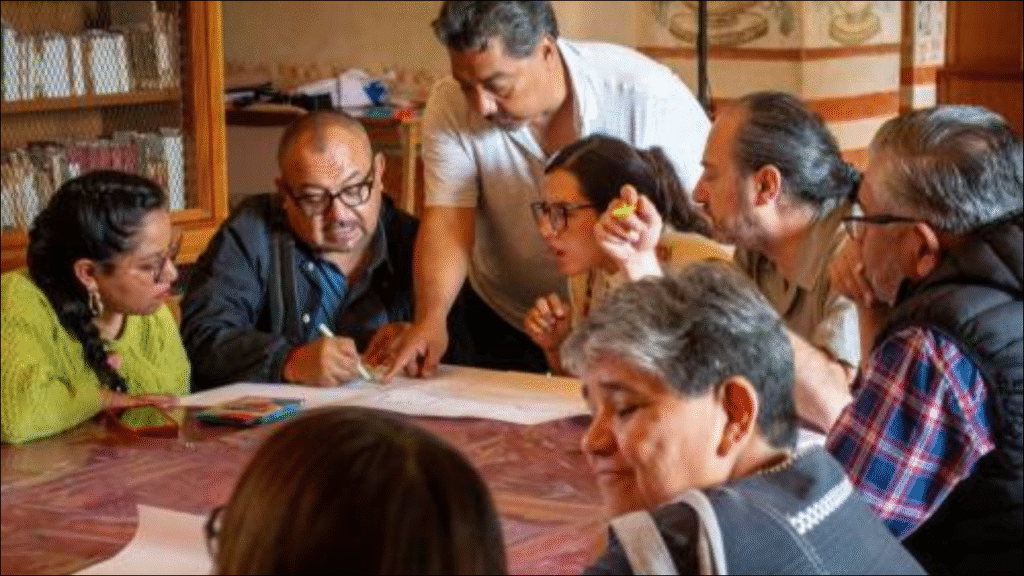
Cachoeiro de Itapemirim Intangible Heritage Safeguarding Association represents a cultural movement focused on the protection, celebration, and transmission of the unique traditions of Cachoeiro de Itapemirim, a city located in Espírito Santo, Brazil. The organization functions as a bridge between generations, ensuring that ancient crafts, folk music, oral traditions, culinary customs, and local festivities continue to thrive in the modern world. Cultural identity in Cachoeiro de Itapemirim is deeply rooted in its people’s creativity, craftsmanship, and social practices. The association’s commitment to heritage safeguarding ensures that modernization does not erode the essence of traditional life and community cohesion.
Table of Contents
Core Mission and Objectives
- Preservation of Heritage: Protection of cultural practices that define Cachoeiro de Itapemirim’s identity.
- Community Engagement: Involvement of residents, artisans, and educators in safeguarding initiatives.
- Documentation and Research: Recording of oral histories, rituals, and crafts for educational archives.
- Education and Awareness: Implementation of heritage workshops and school programs to cultivate cultural pride.
- Sustainable Development: Integration of cultural preservation with responsible tourism and local economy.
Organizational Background
- Establishment: Founded to create a structured framework for preserving intangible heritage elements.
- Headquarters: Based in Cachoeiro de Itapemirim, Espírito Santo, serving as the center for research and cultural dialogue.
- Founders: Formed by local historians, educators, artists, and policymakers.
- Recognition: Collaborates with municipal and state cultural departments and receives acknowledgment from national heritage authorities.
Key Heritage Domains Safeguarded
| Domain | Description | Significance to Local Identity |
|---|---|---|
| Oral Traditions and Expressions | Stories, myths, and folk songs are transmitted across generations. | Reinforces community bonds and linguistic heritage. |
| Performing Arts | Traditional dances, music, and theatrical expressions. | Reflects the creativity and historical resilience of the region. |
| Social Practices and Festivals | Local celebrations such as São Pedro Festival and cultural fairs. | Promotes unity and shared memory among residents. |
| Knowledge and Craftsmanship | Skills related to pottery, embroidery, and instrument making. | Preserves indigenous techniques and supports artisans. |
| Culinary Traditions | Recipes featuring local produce and cooking methods. | Strengthens family traditions and supports gastronomic tourism. |
Cultural Projects and Initiatives
- Heritage Education Program: Conducted in schools to educate youth about traditional art forms and folklore.
- Oral History Collection: Creation of a digital archive documenting the experiences of elders and cultural practitioners.
- Craft Revival Workshops: Training programs to restore and sustain traditional handicrafts.
- Annual Cultural Festival: A week-long event that showcases performances, cuisine, and artisan products.
- Music and Dance Preservation Project: Promotion of traditional instruments such as viola capixaba and regional dance forms.
Community Participation and Collaboration
- Local Partnerships: Collaboration with schools, universities, and municipal bodies.
- Artisan Involvement: Engagement of local craftsmen in educational and tourism projects.
- Youth Empowerment: Inclusion of young participants to ensure continuity of traditions.
- Intergenerational Dialogue: Platforms that encourage sharing between elders and youth.
- Civic Volunteers: Participation of citizens in heritage documentation and event organization.
Educational Outreach and Training
| Program | Target Group | Objective | Outcome |
|---|---|---|---|
| Cultural Educator Training | Teachers and community leaders | Integration of heritage content into curricula | Enhanced awareness in schools |
| Youth Storytelling Circles | Students and adolescents | Revival of oral narratives | Development of communication skills |
| Traditional Crafts Courses | Artisans and trainees | Preservation of manual craftsmanship | Growth of the local craft economy |
| Music and Performance Classes | Musicians and dancers | Protection of folk music and regional dances | Increase in cultural performances |
| Heritage Documentation Workshops | Volunteers and researchers | Training in recording and archiving heritage | Creation of a digital cultural database |
Partnerships and Collaborations
- Municipal Cultural Secretariat: Joint initiatives for funding and event organization.
- Universities and Research Centers: Academic collaboration for heritage studies and publications.
- Tourism Agencies: Integration of heritage themes into local tourism strategies.
- NGOs and Cultural Foundations: Cooperative projects for capacity building and grant support.
- Local Businesses: Sponsorship and participation in cultural promotion activities.
Funding and Resource Management
- Public Grants: Financial support from municipal and state cultural funds.
- Private Sponsorships: Collaboration with local enterprises that promote social responsibility.
- Cultural Projects Revenue: Earnings from workshops, festivals, and exhibitions.
- International Support: Occasional partnerships with global heritage organizations.
- Volunteer Contributions: Donation of time and skills by community members.
Challenges and Preservation Strategies
| Challenge | Impact | Strategic Response |
|---|---|---|
| Urbanization and Modernization | Loss of traditional spaces and practices | Creation of community cultural centers |
| Youth Disinterest | Decline in the transmission of heritage | Introduction of engaging youth-oriented programs |
| Economic Constraints | Limited funding for cultural projects | Diversification of funding sources |
| Digital Gap | Difficulty in documenting traditions | Development of online archives and digital tools |
| Cultural Homogenization | Threat to local identity | Promotion of localized festivals and storytelling |
Achievements and Recognition
- Cultural Heritage Award: Honored by the local government for contribution to tradition preservation.
- Community Heritage Archive: Creation of a comprehensive record of intangible cultural assets.
- Revival of Traditional Crafts: Successful training of new generations of artisans.
- Educational Impact: Heritage-based learning incorporated into public school curricula.
- International Exchange: Participation in cultural forums that connect Brazilian traditions globally.
Future Goals and Vision
- Expansion of Heritage Documentation: Inclusion of more villages and rural communities.
- Cultural Tourism Development: Promotion of heritage-based travel experiences.
- Digital Innovation: Establishment of an interactive heritage portal.
- Regional Networking: Strengthening ties with neighboring municipalities for joint events.
- Sustainability Initiatives: Linking cultural preservation with environmental consciousness.
Summing Up
Cachoeiro de Itapemirim Intangible Heritage Safeguarding Association stands as a guardian of cultural memory, ensuring that the traditions of Espírito Santo remain vibrant in the modern age. Collective participation, education, and creative adaptation serve as the foundation of its work. The association’s projects demonstrate how culture can evolve while retaining authenticity, transforming local heritage into a living force for identity, pride, and sustainable development. Preservation of intangible heritage in Cachoeiro de Itapemirim not only sustains traditions but also strengthens the bond between the past and future generations.