Cachoeiro de Itapemirim, located in the southern region of Espírito Santo, Brazil, stands as a cultural hub known for its artistic legacy, music, and community values. The Association Cachoeiro de Itapemirim plays a significant role in preserving and promoting traditional festivals that reflect the region’s unique identity. Each event supported by the association highlights regional pride, artistic creativity, and a strong connection to history. These festivals not only sustain the local culture but also attract visitors who experience the genuine essence of Capixaba traditions.
Table of Contents
1. Festa de Cachoeiro – The City Anniversary Celebration
Overview: The Festa de Cachoeiro is one of the most prominent celebrations promoted by the association, marking the founding of the city in June. It combines civic pride, artistic performance, and traditional entertainment, fostering unity among residents.
Key Highlights:
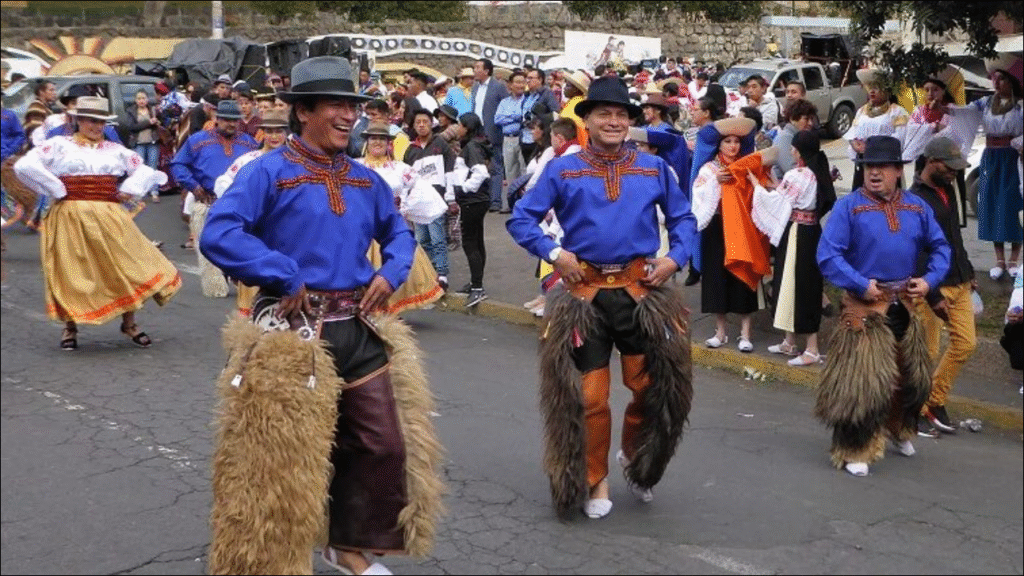
- Cultural Parades: Processions display traditional attire, regional music, and folklore presentations.
- Musical Performances: Local bands and samba groups showcase the rhythmic pulse of Cachoeiro.
- Culinary Exhibitions: Traditional dishes such as tutu de feijão and torta capixaba represent the city’s flavors.
- Historical Exhibits: Art displays narrate the city’s development and its contribution to Brazilian culture.
| Feature | Details |
|---|---|
| Event Month | June |
| Venue | Central Square and Cultural Centers |
| Cultural Focus | Local heritage, music, and crafts |
| Participation | Residents, schools, cultural institutions |
| Purpose | Celebration of the city’s foundation and cultural identity |
2. Festa de São Pedro – The Fishermen’s Festival
Overview: The Festa de São Pedro honors Saint Peter, the patron saint of fishermen. The association supports this traditional event to preserve the maritime culture of Cachoeiro’s riverside communities.
Cultural Elements:
- Boat Procession: Decorated boats sail along the Itapemirim River as a tribute to Saint Peter.
- Blessing of the Waters: Priests conduct ceremonies seeking safety and prosperity for fishermen.
- Traditional Music: Folk instruments like viola caipira and drums create a vibrant atmosphere.
- Seafood Stalls: Locally caught fish and shellfish are prepared in traditional recipes.
| Feature | Details |
|---|---|
| Event Month | June or July |
| Symbolism | Protection for fishermen and gratitude for abundance |
| Community Involvement | Fishing families, local artisans, and church groups |
| Main Attraction | River procession with decorated boats |
| Culinary Specialty | Moqueca capixaba (fish stew) |
3. Festa de Nossa Senhora da Penha – Religious Devotion and Faith
Overview: Devotion to Nossa Senhora da Penha, the patroness of Espírito Santo, holds deep roots in Cachoeiro. The association ensures this celebration retains its sacred significance while integrating modern cultural expressions.
Religious and Cultural Aspects:
- Pilgrimage Procession: Devotees walk long distances carrying icons of the Virgin Mary.
- Traditional Hymns: Choirs sing prayers passed through generations.
- Community Feasts: Families prepare offerings and share meals after religious services.
- Cultural Performances: The association organizes folk dances representing faith and unity.
| Feature | Details |
|---|---|
| Event Month | April |
| Religious Importance | Honoring the patron saint of Espírito Santo |
| Celebration Type | Pilgrimage, prayer gatherings, cultural programs |
| Participation | Churches, local schools, and families |
| Unique Tradition | Procession to nearby hills and chapels |
4. Festival de Música e Poesia de Cachoeiro
Overview: Music and poetry symbolize Cachoeiro’s artistic heart. The Festival de Música e Poesia celebrates the city’s deep connection with the arts, inspired by local icons like Roberto Carlos.
Highlights:
- Song Competitions: Emerging musicians perform original compositions.
- Poetry Recitals: Local poets express emotions tied to Cachoeiro’s history and nature.
- Workshops: Sessions on songwriting and literary expression nurture young talents.
- Award Ceremonies: Recognition for artistic excellence motivates continued cultural growth.
| Feature | Details |
|---|---|
| Event Month | August |
| Venue | Teatro Municipal Rubem Braga |
| Cultural Emphasis | Music, literature, and artistic development |
| Audience | Artists, students, tourists |
| Legacy | Promotion of regional creativity and identity |
5. Festa do Divino Espírito Santo
Overview: This spiritual festival celebrates the Holy Spirit and is one of the oldest religious traditions supported by the association. It blends faith, folklore, and hospitality into a week-long event.
Cultural Significance:
- Crowning of the Emperor: A symbolic ritual representing justice and peace.
- Traditional Processions: Groups parade with flags, banners, and songs of devotion.
- Charitable Meals: Community kitchens serve free meals to residents and visitors.
- Local Handicrafts: Artisans sell traditional crafts inspired by religious motifs.
| Feature | Details |
|---|---|
| Event Month | May |
| Main Symbol | Crown of the Holy Spirit |
| Duration | One week |
| Community Participation | Churches, schools, NGOs |
| Cultural Impact | Preservation of faith and community solidarity |
6. Carnaval de Cachoeiro – Celebration of Joy and Color
Overview: Cachoeiro’s Carnival carries unique regional flavors, promoted and organized by the association with emphasis on cultural authenticity rather than commercialization.
Major Attractions:
- Samba School Parades: Local groups perform themes related to the city’s history.
- Street Parties: Residents celebrate with music, dance, and colorful costumes.
- Cultural Workshops: Pre-carnival sessions teach drumming, choreography, and costume design.
- Youth Participation: Schools organize parades promoting eco-friendly and creative expression.
| Feature | Details |
|---|---|
| Event Month | February or March |
| Cultural Roots | Afro-Brazilian traditions and regional folklore |
| Venues | Main avenues and cultural centers |
| Organizers | Association Cachoeiro de Itapemirim and local samba schools |
| Theme Focus | Celebration of art, rhythm, and community spirit |
7. Festival da Cachaça e da Cultura Popular
Overview: The Festival da Cachaça celebrates the craftsmanship of local distilleries and rural traditions. The association supports this event as part of its initiative to preserve agricultural and artisanal knowledge.
Festival Features:
- Cachaça Tasting: Local producers showcase handcrafted sugarcane spirits.
- Folk Music: Bands perform forró and sertanejo music.
- Handicraft Market: Local artisans exhibit woodwork, pottery, and embroidery.
- Culinary Fair: Traditional dishes accompany the tasting sessions.
| Feature | Details |
|---|---|
| Event Month | September |
| Main Attraction | Cachaça exhibition and folk performances |
| Cultural Value | Preservation of rural crafts and culinary heritage |
| Organizers | Local distillers and cultural groups |
| Visitor Benefit | Promotion of sustainable tourism |
8. Encontro de Folclore Capixaba
Overview: The Encontro de Folclore Capixaba unites folk groups from across Espírito Santo to share, perform, and protect their traditions. The association’s leadership ensures cultural continuity through education and performance.
Cultural Activities:
- Dance Performances: Groups perform jongo, catira, and batuque.
- Storytelling Sessions: Elders narrate legends and local myths.
- Youth Workshops: Children learn traditional dances and songs.
- Costume Exhibitions: Historical garments and ornaments display cultural identity.
| Feature | Details |
|---|---|
| Event Month | November |
| Focus Area | Folk traditions and oral storytelling |
| Participants | Schools, cultural troupes, historians |
| Objective | Education and preservation of folk heritage |
| Outcome | Strengthened intergenerational cultural links |
Key Takeaways
Cachoeiro de Itapemirim’s traditional festivals form the heartbeat of its cultural identity. The Association Cachoeiro de Itapemirim plays a vital role in keeping these celebrations alive through inclusive programs that blend faith, art, music, and tradition. Each festival represents not only a moment of joy but also a bridge between past and present. Through these events, the city continues to protect its intangible heritage and share it proudly with the world, ensuring that Cachoeiro’s traditions endure for generations to come.