Cachoeiro de Itapemirim, a cultural and artistic center of Espírito Santo, Brazil, holds a rich legacy of traditional craftsmanship passed down through generations. The city’s artisans have long been known for their skill in pottery, embroidery, wood carving, and stonework. The Association Cachoeiro de Itapemirim plays a central role in preserving, promoting, and revitalizing these local crafts. Its efforts aim not only to protect cultural traditions but also to empower artisans, strengthen community identity, and stimulate sustainable economic growth.
Table of Contents
1. Support for Traditional Artisans
Overview: The association provides structured support for local artisans, helping them maintain traditional craftsmanship while adapting to modern demands.
Key Initiatives:
- Financial Assistance: Small grants and subsidies are offered to artisans to purchase raw materials and tools.
- Skill Development Workshops: Training sessions introduce new techniques while preserving authentic styles.
- Artisan Registration: Local craftsmen are registered under the association’s database to ensure official recognition.
- Exhibitions and Sales: Regular fairs allow artisans to display and sell their handcrafted products directly to the public.
| Aspect | Description |
|---|---|
| Objective | Protection and promotion of artisan livelihoods |
| Main Beneficiaries | Local woodworkers, potters, weavers, and sculptors |
| Support Type | Financial aid, training, and certification |
| Outcome | Increased artisan income and community participation |
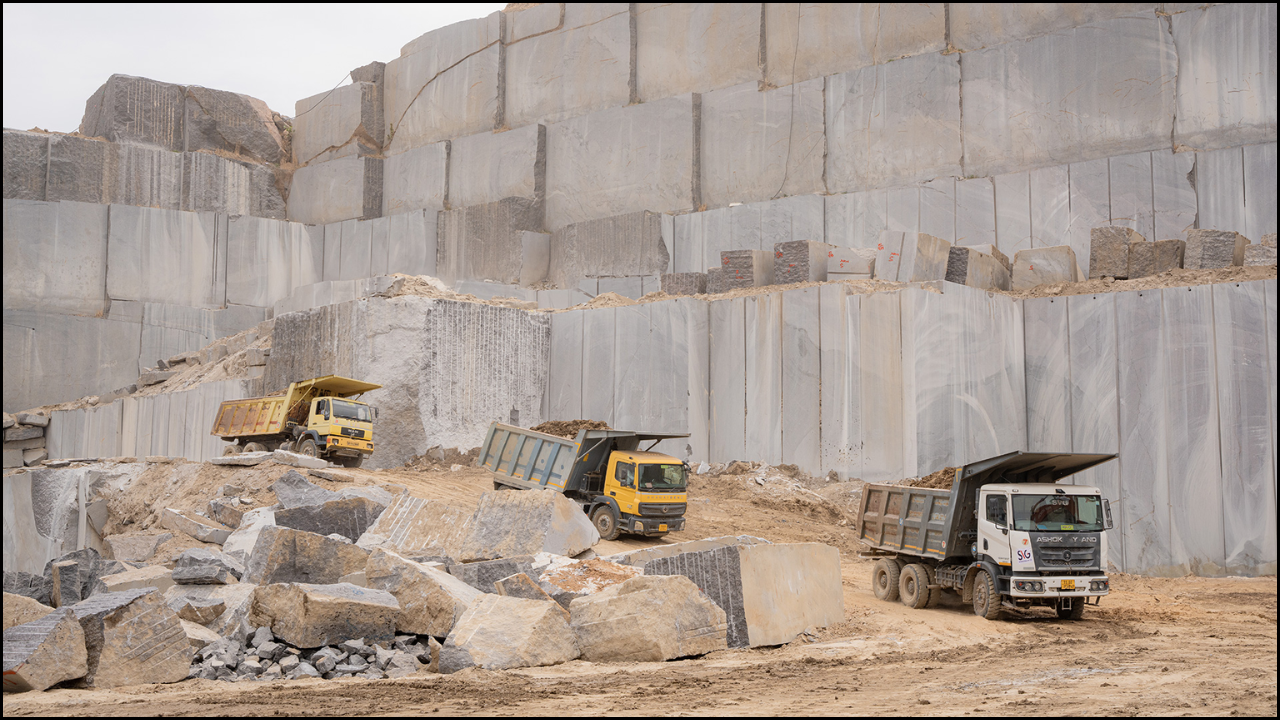
2. Promotion of Handcrafted Stone and Marble Art
Overview: Cachoeiro de Itapemirim is known as the “Marble Capital of Brazil.” The association takes pride in conserving the region’s stone-carving traditions, which reflect both cultural and artistic significance.
Association Efforts:
- Artisan Guilds: Formation of stone artisan groups ensures collaborative growth and shared knowledge.
- Cultural Showcases: Events display marble sculptures representing local heroes, religious icons, and regional symbols.
- Apprenticeship Programs: Young artists are paired with master craftsmen for hands-on learning.
- Export Promotion: The association helps artisans reach international markets without losing cultural authenticity.
| Feature | Details |
|---|---|
| Craft Focus | Marble and soapstone carving |
| Traditional Methods | Hand-chiseling and polishing |
| Educational Support | Workshops on design and safety practices |
| Economic Impact | Boost in local marble trade and tourism |
| Cultural Value | Preservation of symbolic sculpture styles |
3. Revitalization of Textile and Embroidery Arts
Overview: Embroidery and textile weaving remain key symbols of Cachoeiro’s traditional household artistry. The association safeguards these crafts through women’s cooperatives and community programs.
Actions Taken:
- Women Empowerment Groups: Local women artisans are organized into cooperatives to produce and market their crafts.
- Cultural Branding: Handmade products carry certification tags confirming their authenticity.
- Design Innovation: The association connects artisans with designers to blend traditional and modern motifs.
- Market Access: Events and fairs provide national-level exposure for embroidered goods.
| Feature | Details |
|---|---|
| Main Artisans | Women embroiderers and weavers |
| Traditional Materials | Cotton, linen, and silk |
| Product Types | Tablecloths, shawls, and wall hangings |
| Social Benefit | Employment and financial independence |
| Cultural Role | Preservation of regional embroidery patterns |
4. Training and Education for Future Generations
Overview: The association recognizes that long-term preservation depends on educating the younger generation. By establishing learning centers and art schools, traditional skills are passed on through structured programs.
Educational Strategies:
- Craft Schools: Courses in pottery, woodcraft, and sculpture are offered at community centers.
- Youth Engagement: School partnerships encourage students to participate in cultural craft projects.
- Apprenticeship Certification: Graduates receive certification to enhance professional credibility.
- Heritage Documentation: The association records artisan techniques in digital archives for future study.
| Aspect | Description |
|---|---|
| Target Group | Students and young artisans |
| Learning Mode | Practical training and workshops |
| Cultural Transmission | Preservation of local techniques through education |
| Outcome | Continuation of traditional skills across generations |
| Long-term Vision | Creation of sustainable craft-based careers |
5. Preservation of Pottery and Ceramic Traditions
Overview: Pottery in Cachoeiro de Itapemirim represents an ancient practice that reflects daily life and local resources. The association protects this tradition by ensuring artisans have the tools, materials, and platforms to sustain their craft.
Preservation Efforts:
- Clay Resource Management: Collaboration with local authorities ensures sustainable clay extraction.
- Cultural Workshops: Events teach traditional pottery shapes and glazing techniques.
- Public Demonstrations: Potters exhibit live crafting sessions during festivals.
- Cultural Integration: Pottery is included in educational and tourism programs to raise awareness.
| Feature | Details |
|---|---|
| Craft Type | Pottery and ceramics |
| Primary Material | Local red clay |
| Techniques Used | Hand molding and kiln firing |
| Economic Value | Tourism sales and cultural exports |
| Environmental Focus | Sustainable sourcing of clay |
6. Promotion through Cultural Festivals
Overview: Festivals organized by the association, such as Festa de Cachoeiro and Festival da Cachaça e da Cultura Popular, serve as major platforms for local artisans. These events combine entertainment, education, and trade to keep traditional crafts visible.
Festival Contributions:
- Artisan Pavilions: Designated spaces are created for displaying handmade goods.
- Cultural Demonstrations: Live craft-making sessions attract tourists and media attention.
- Sales Opportunities: Local crafts are promoted as souvenirs, enhancing economic stability.
- Awards and Recognition: Annual honors motivate artisans to maintain excellence.
| Festival Name | Artisan Participation | Purpose |
|---|---|---|
| Festa de Cachoeiro | Showcases embroidery, pottery, and sculpture | Promotion of local identity |
| Festival da Cachaça | Features rural crafts and agricultural tools | Preservation of farming traditions |
| Encontro de Folclore Capixaba | Displays folk crafts and costumes | Revival of traditional art forms |
7. Integration with Tourism and Local Economy
Overview: The association integrates traditional crafts into the tourism sector to enhance visibility and financial growth. Cultural tourism becomes a sustainable way to keep these crafts relevant in modern times.
Tourism-Oriented Programs:
- Craft Trails: Tourists visit workshops and interact with artisans directly.
- Local Craft Stores: Retail spaces feature handmade goods certified by the association.
- Cultural Tourism Packages: Collaborations with tour operators promote artisan experiences.
- Online Presence: Digital catalogs showcase crafts globally.
| Aspect | Details |
|---|---|
| Tourism Type | Cultural and heritage tourism |
| Economic Effect | Increased sales and job creation |
| Marketing Approach | Use of social media and e-commerce |
| Visitor Experience | Hands-on participation in craft making |
| Cultural Goal | Strengthening identity through interactive exposure |
8. Sustainable Practices and Environmental Awareness
Overview: Sustainability stands as a key priority for the association. Craft preservation goes hand-in-hand with environmental conservation, ensuring responsible production and natural material use.
Sustainable Strategies:
- Eco-Friendly Materials: Promotion of biodegradable and locally sourced materials.
- Waste Reduction Workshops: Training on recycling craft waste into new products.
- Green Certifications: Crafts meeting environmental standards receive eco-labels.
- Community Campaigns: Awareness programs encourage eco-conscious consumer habits.
| Feature | Details |
|---|---|
| Main Objective | Eco-friendly craft production |
| Sustainable Methods | Recycling, reusing, and natural sourcing |
| Artisan Training | Environmental responsibility workshops |
| Community Benefit | Reduced ecological footprint |
| Cultural Outcome | Sustainable continuity of traditional art |
Looking Ahead
The Association Cachoeiro de Itapemirim serves as the guardian of the city’s artistic soul, ensuring that traditional crafts remain vibrant and relevant. Through training, festivals, financial assistance, and sustainability programs, the association safeguards both the artisans’ livelihoods and the community’s cultural identity. Every handmade object becomes a story of heritage, creativity, and resilience. The association’s continued commitment ensures that Cachoeiro’s crafts will not fade with time but will evolve gracefully, inspiring future generations to cherish their roots.