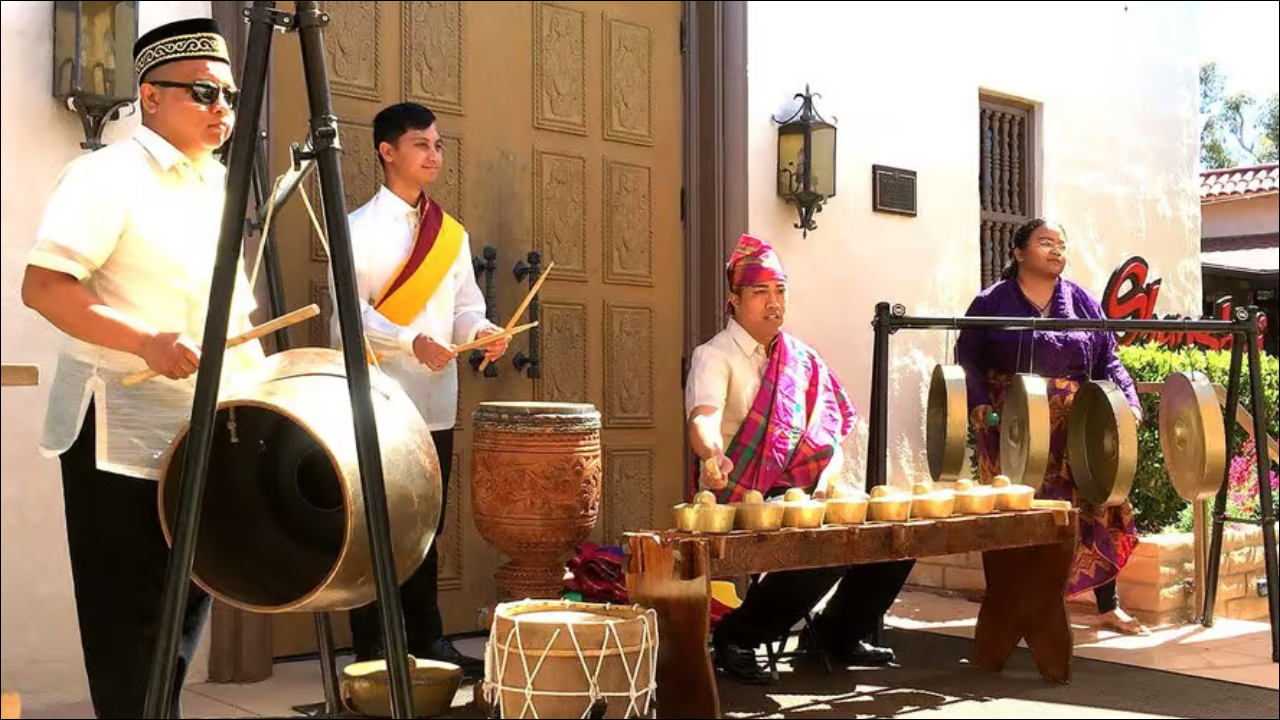
Youth engagement is a cornerstone of heritage preservation in Cachoeiro de Itapemirim. The city’s cultural identity relies on passing knowledge, skills, and traditions from older generations to young people, ensuring the continuity of music, crafts, oral storytelling, culinary arts, and festivals. Youth participation not only safeguards intangible heritage but also fosters civic pride, creativity, and social cohesion. Through formal programs, community workshops, and school initiatives, young people are becoming active custodians of Cachoeiro’s rich cultural legacy.
Table of Contents
1. Importance of Youth in Heritage Preservation
Overview: Young people are crucial for maintaining and evolving cultural practices. Their involvement ensures that heritage remains relevant and dynamic in contemporary society.
Key Roles:
- Knowledge Transmission: Learning from elders preserves traditional skills.
- Innovation: Youth adapt heritage practices to modern contexts.
- Community Engagement: Active participation strengthens social bonds.
- Promotion: Youth use digital platforms to share and document cultural practices.
| Role | Description |
|---|---|
| Knowledge Transmission | Learning crafts, music, dance, and culinary arts from older generations |
| Innovation | Modern adaptations of traditional practices |
| Community Engagement | Participation in festivals, workshops, and public performances |
| Promotion | Use of social media and digital tools to highlight cultural heritage |
2. School-Based Heritage Programs
Overview: Schools in Cachoeiro integrate cultural education into their curricula to familiarize students with local traditions.
Programs and Activities:
- Cultural Curriculum: Lessons on local history, music, and folklore.
- Workshops and Clubs: Practical learning in crafts, music ensembles, and dance.
- Field Trips: Visits to cultural centers, museums, and heritage sites.
- Student-Led Projects: Creation of exhibitions, publications, or performances.
| Activity | Target Group | Objective |
|---|---|---|
| Cultural Curriculum | Students | Build awareness of local heritage |
| Workshops & Clubs | Youth | Hands-on skill development |
| Field Trips | School groups | Experiential learning and engagement |
| Student Projects | Teenagers | Encourage leadership in heritage promotion |
3. Community-Based Programs for Youth
Overview: Community initiatives involve young people directly in preserving and promoting intangible heritage.
Key Programs:
- Youth Cultural Workshops: Focused on traditional music, dance, crafts, and oral storytelling.
- Festival Participation: Roles in organizing, performing, or demonstrating heritage skills.
- Mentorship Programs: Pairing youth with experienced artisans and musicians.
- Cultural Volunteering: Supporting museums, cultural centers, and local associations.
| Program | Youth Role | Outcome |
|---|---|---|
| Cultural Workshops | Participant and learner | Acquisition of traditional skills |
| Festival Roles | Performer, organizer | Hands-on experience and community pride |
| Mentorship | Apprentice to elder | Knowledge transfer and skill mastery |
| Volunteering | Cultural promotion and event support | Civic engagement and responsibility |
4. Digital Engagement and Social Media
Overview: Digital tools enable youth to document, share, and promote Cachoeiro’s cultural heritage to wider audiences.
Key Digital Activities:
- Social Media Campaigns: Sharing photos, videos, and stories of local traditions.
- Online Performances: Streaming traditional music, dance, and theater.
- Digital Archives: Creating online repositories for music, oral stories, and culinary recipes.
- Interactive Apps: Engaging platforms for exploring cultural events and practices.
| Digital Platform | Purpose | Impact |
|---|---|---|
| Social Media | Promote local heritage | Broader visibility and engagement |
| Live Streaming | Share performances | Connects local and global audiences |
| Digital Archives | Document traditions | Long-term preservation |
| Interactive Apps | Explore and learn | Youth engagement and education |
5. Festivals and Youth Participation
Overview: Youth play a key role in local festivals, both as performers and organizers, which helps sustain cultural continuity.
Examples of Youth Involvement:
- Music and Dance Performances: Youth ensembles perform traditional pieces.
- Culinary Demonstrations: Young chefs showcase traditional recipes.
- Parade Participation: Folia de Reis and other traditional processions.
- Event Organization: Students and youth groups help coordinate festival activities.
| Festival Activity | Youth Role | Cultural Impact |
|---|---|---|
| Music Ensembles | Performer | Skills transfer and preservation |
| Dance Groups | Choreographer/Performer | Maintain traditional movement styles |
| Culinary Demonstrations | Cook/Assistant | Promote gastronomic heritage |
| Parade Participation | Participant | Community engagement and continuity |
6. Government and Association Support for Youth Programs
Overview: Local government and cultural associations provide financial, logistical, and educational support for youth engagement in heritage preservation.
Support Measures:
- Funding for Workshops and Clubs: Grants for youth-centered programs.
- Training and Mentorship: Access to skilled artisans and musicians.
- Event Sponsorship: Support for youth participation in cultural festivals.
- Infrastructure Access: Cultural centers and rehearsal spaces for youth programs.
| Support Type | Provider | Outcome |
|---|---|---|
| Funding Grants | Municipal Cultural Fund | Sustains youth programs |
| Training/Mentorship | Associations & Experts | Skill transfer and capacity building |
| Event Sponsorship | Department of Culture | Enables youth festival participation |
| Infrastructure Access | Cultural Centers | Safe spaces for learning and practice |
7. Benefits of Youth Involvement
Overview: Active youth participation strengthens both cultural preservation and community development.
Key Benefits:
- Continuity of Traditions: Ensures that music, dance, crafts, and culinary arts are maintained.
- Cultural Pride: Instills a sense of identity and belonging.
- Skill Development: Provides practical knowledge and vocational opportunities.
- Social Cohesion: Encourages intergenerational interaction and teamwork.
- Tourism Promotion: Youth-led performances and activities attract visitors.
| Benefit | Description |
|---|---|
| Tradition Continuity | Passing skills and knowledge to new generations |
| Cultural Pride | Youth develop a strong local identity |
| Skill Development | Hands-on learning in crafts, music, and culinary arts |
| Social Cohesion | Community participation and collaboration |
| Tourism Promotion | Enhanced visibility through youth-led events |
8. Challenges in Youth Engagement
Overview: Despite opportunities, programs face challenges that can affect long-term sustainability.
Key Challenges:
- Modern Entertainment Preferences: Competing interests from digital and global media.
- Limited Funding: Inadequate resources for large-scale youth programs.
- Skill Retention: Young people may move away, affecting local knowledge transfer.
- Mentorship Availability: Dependence on a limited number of skilled elders.
| Challenge | Potential Solution |
|---|---|
| Digital Entertainment Distraction | Integrate modern media with heritage activities |
| Funding Limitations | Seek partnerships with private sponsors and NGOs |
| Youth Migration | Develop programs in schools and local centers |
| Mentorship Gaps | Train multiple young leaders as peer mentors |
9. Future Strategies for Youth Engagement
Overview: Sustainable youth involvement requires innovative programs, policy support, and technology integration.
Future Focus Areas:
- Heritage Education in Schools: Incorporate hands-on cultural projects into curricula.
- Digital Platforms for Learning: Apps, video tutorials, and online competitions.
- Youth Leadership Programs: Encourage students to organize events and manage clubs.
- Cultural Exchange Programs: Connect youth with peers from other regions for knowledge sharing.
| Strategy | Expected Outcome |
|---|---|
| School Integration | Early engagement and skill development |
| Digital Learning | Greater access and modern appeal |
| Youth Leadership | Empowerment and responsibility in heritage preservation |
| Cultural Exchanges | Exposure to broader perspectives and innovation |
Final Analysis
Youth involvement in heritage preservation programs is essential for maintaining Cachoeiro de Itapemirim’s intangible cultural legacy. Through school initiatives, community workshops, festival participation, and digital engagement, young people actively contribute to safeguarding music, crafts, oral traditions, dance, and culinary arts. Supported by local government and cultural associations, youth become custodians of tradition while fostering innovation, civic pride, and social cohesion. Their participation ensures that Cachoeiro’s heritage remains vibrant, evolving, and accessible to future generations.