Cultural mapping in Cachoeiro de Itapemirim is a systematic approach to documenting, analyzing, and promoting the city’s rich intangible heritage. This process identifies cultural assets, practices, spaces, and actors, enabling better preservation strategies and informed cultural policies. Through cultural mapping, the city can visualize its music, crafts, oral traditions, festivals, culinary heritage, and community knowledge, ensuring these traditions are safeguarded, shared, and celebrated. Cultural mapping also facilitates academic research, tourism promotion, and community engagement.
Table of Contents
1. Purpose of Cultural Mapping
Overview: Cultural mapping provides an organized framework for understanding and preserving Cachoeiro’s intangible heritage. It highlights cultural diversity, identifies resources, and informs policy and planning.
Key Objectives:
- Inventory of Cultural Assets: Cataloging crafts, music, dance, and festivals.
- Community Engagement: Involving residents in identifying and documenting cultural practices.
- Policy Support: Assisting local government in cultural planning and funding decisions.
- Tourism Promotion: Highlighting cultural hotspots for visitors.
| Objective | Description |
|---|---|
| Inventory | Document all forms of tangible and intangible heritage |
| Community Engagement | Encourage local participation in heritage documentation |
| Policy Support | Inform local cultural policies and preservation strategies |
| Tourism Promotion | Showcase cultural landmarks and traditions to visitors |
2. Key Cultural Assets Mapped
Overview: Cachoeiro’s cultural mapping focuses on multiple heritage domains that reflect the city’s social and historical identity.
Primary Domains:
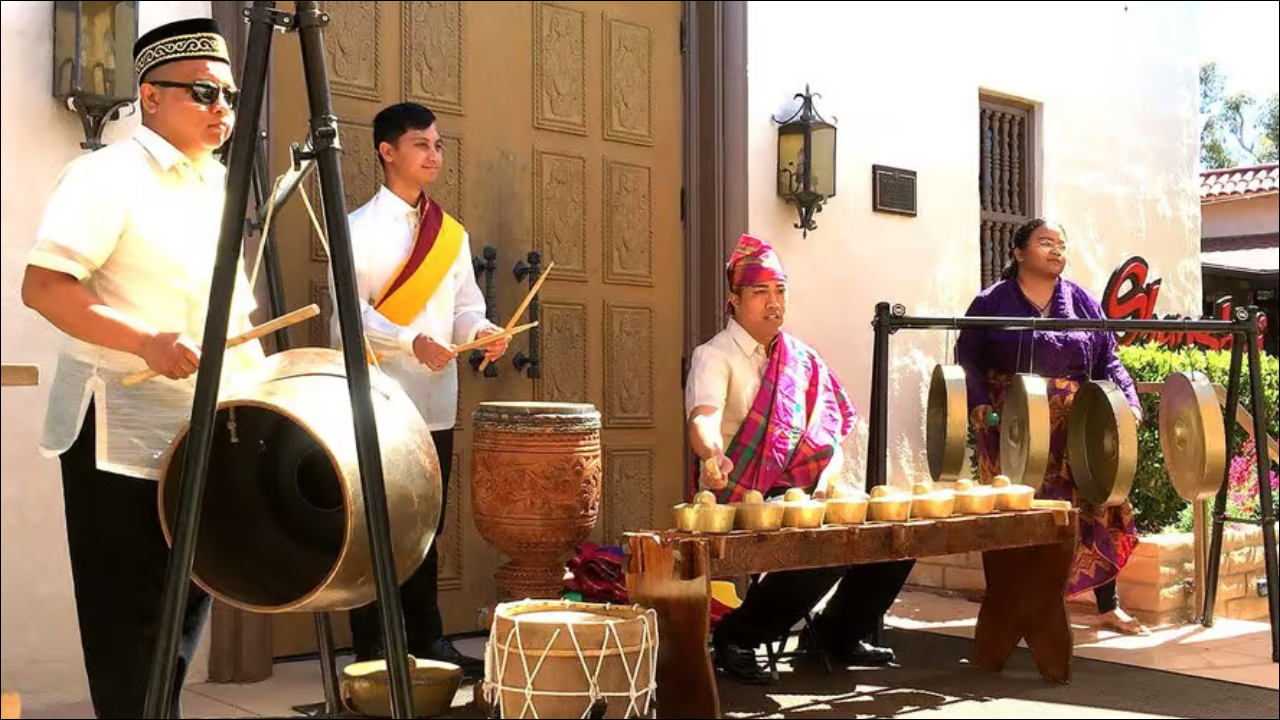
- Music and Dance: Traditional ensembles, instruments, and festival performances.
- Crafts and Artisanal Products: Handmade objects, local techniques, and artisan networks.
- Oral Traditions and Storytelling: Folklore, legends, and historical narratives.
- Culinary Heritage: Signature dishes, ingredients, and gastronomic practices.
- Festivals and Rituals: Annual celebrations, religious observances, and public ceremonies.
| Cultural Asset | Examples | Significance |
|---|---|---|
| Music & Dance | Maracatu groups, Choro ensembles, Folia de Reis | Express local identity and social cohesion |
| Crafts | Handmade pottery, weaving, and carvings | Preserve traditional skills and artisan livelihoods |
| Oral Traditions | Legends, proverbs, folk stories | Maintain historical memory and moral teachings |
| Culinary Heritage | Moqueca, Torta Capixaba, Cocada | Represent regional flavors and social gatherings |
| Festivals | Festa de São Pedro, Semana Cultural | Promote community participation and tourism |
3. Mapping Methodologies
Overview: A combination of qualitative and quantitative methods is used to document and analyze cultural assets in Cachoeiro.
Methods Applied:
- Field Surveys: Visiting communities, observing practices, and recording activities.
- Interviews and Focus Groups: Engaging elders, artisans, musicians, and community leaders.
- Participatory Mapping: Residents identify significant cultural spaces and events.
- Digital Documentation: Audio, video, and photographic records of heritage practices.
- GIS Mapping: Geospatial representation of cultural sites and activity clusters.
| Method | Purpose | Outcome |
|---|---|---|
| Field Surveys | Collect firsthand observations | Accurate asset inventory |
| Interviews | Capture knowledge from stakeholders | Oral histories and narratives |
| Participatory Mapping | Engage local communities | Community ownership of heritage |
| Digital Documentation | Preserve multimedia records | Long-term accessibility |
| GIS Mapping | Spatial representation of heritage | Identify patterns and cultural hotspots |
4. Community Participation in Mapping
Overview: Community involvement is central to cultural mapping, ensuring authenticity, inclusivity, and sustainability.
Community Roles:
- Identification of Assets: Residents highlight significant cultural practices and locations.
- Knowledge Sharing: Elders transmit oral histories and traditional skills.
- Documentation Assistance: Youth assist in recording and digitizing heritage.
- Festival and Event Support: Participation in mapping festival practices and performance spaces.
| Role | Participants | Impact |
|---|---|---|
| Asset Identification | Residents & elders | Comprehensive cultural inventory |
| Knowledge Sharing | Senior community members | Preservation of intangible heritage |
| Documentation Assistance | Youth volunteers | Skills transfer and engagement |
| Festival Mapping | Community performers | Detailed mapping of event-related traditions |
5. Cultural Spaces and Infrastructure
Overview: Mapping also includes physical spaces where heritage is practiced, performed, or displayed.
Key Spaces:
- Cultural Centers: Venues for workshops, performances, and exhibitions.
- Museums and Galleries: Display local crafts, artifacts, and historical records.
- Community Halls: Spaces for music, dance, and culinary events.
- Open-Air Sites: Locations for festivals, processions, and outdoor performances.
| Space Type | Examples | Function |
|---|---|---|
| Cultural Centers | Local association buildings | Workshops and performance rehearsals |
| Museums & Galleries | City museums | Exhibit artifacts and crafts |
| Community Halls | Multi-purpose halls | Social gatherings and small-scale performances |
| Open-Air Sites | Public squares, riverbanks | Festivals and community celebrations |
6. Integration with Technology
Overview: Technology enhances cultural mapping by enabling detailed documentation, visualization, and public accessibility.
Applications:
- GIS Mapping Tools: Identify cultural clusters and heritage hotspots.
- Online Databases: Store audio, video, and textual records of traditions.
- Interactive Maps: Public access for tourists, researchers, and residents.
- Mobile Applications: Engage youth and visitors in exploring heritage trails.
| Technology | Purpose | Benefit |
|---|---|---|
| GIS Mapping | Spatial visualization | Understand geographic distribution of heritage |
| Online Databases | Multimedia storage | Long-term accessibility and research support |
| Interactive Maps | Public engagement | Promote heritage tourism |
| Mobile Apps | On-the-go exploration | Youth participation and tourism enhancement |
7. Government and Institutional Support
Overview: Government agencies and research institutions play a key role in facilitating cultural mapping initiatives.
Support Mechanisms:
- Funding and Grants: Financial support for surveys, research, and digital documentation.
- Collaboration with Universities: Research expertise and technical resources.
- Policy Frameworks: Regulations and incentives for heritage conservation.
- Promotion of Cultural Tourism: Integration of mapped sites into tourist itineraries.
| Support Type | Provider | Outcome |
|---|---|---|
| Funding & Grants | Municipal Cultural Fund | Enables comprehensive mapping projects |
| University Collaboration | UFES, local colleges | Academic research and technical expertise |
| Policy Frameworks | City Government | Encourages preservation and documentation |
| Tourism Promotion | Tourism Department | Increased visibility and local economy |
8. Benefits of Cultural Mapping
Overview: Cultural mapping generates multiple social, economic, and educational benefits for Cachoeiro de Itapemirim.
Key Benefits:
- Preservation of Intangible Heritage: Music, crafts, culinary arts, and oral traditions are safeguarded.
- Community Engagement: Residents actively participate in documenting and promoting heritage.
- Tourism Development: Mapped sites and festivals attract visitors.
- Policy and Planning Support: Informs heritage preservation strategies and funding allocation.
- Education and Research: Provides resources for schools, universities, and scholars.
| Benefit | Description |
|---|---|
| Heritage Preservation | Ensures survival of traditional practices |
| Community Engagement | Residents gain ownership and pride |
| Tourism Development | Promotes local economy and cultural visibility |
| Policy Support | Informed decision-making and resource allocation |
| Education & Research | Academic and practical learning opportunities |
9. Challenges in Cultural Mapping
Overview: While cultural mapping provides many advantages, it faces challenges that must be addressed for effective outcomes.
Challenges:
- Incomplete Documentation: Some traditions are oral and difficult to record.
- Limited Resources: Funding, technical equipment, and trained personnel may be insufficient.
- Community Participation: Ensuring sustained engagement can be challenging.
- Rapid Urbanization: Loss of traditional spaces due to development.
| Challenge | Proposed Solution |
|---|---|
| Oral Traditions | Use digital recordings and interviews with elders |
| Resource Constraints | Seek partnerships and sponsorships |
| Participation | Incentivize local involvement and youth programs |
| Urbanization | Map and protect heritage spaces proactively |
10. Future Directions for Cultural Mapping
Overview: Sustainable cultural mapping requires continuous updates, technology integration, and community involvement.
Future Focus Areas:
- Dynamic Digital Platforms: Continuously updated maps and databases.
- Youth Engagement: Train young people to document and promote heritage.
- Integration with Tourism: Highlight mapped sites in visitor guides and apps.
- Collaborative Research: Partnerships with universities, NGOs, and international organizations.
| Focus Area | Action Plan |
|---|---|
| Digital Platforms | Regularly update online archives and maps |
| Youth Engagement | Training programs and participatory projects |
| Tourism Integration | Heritage trails and festival guides |
| Collaborative Research | Joint academic and community studies |
End Notes
Cultural mapping in Cachoeiro de Itapemirim serves as a vital tool for understanding, preserving, and promoting the city’s intangible heritage. By documenting music, crafts, oral traditions, festivals, and culinary arts, the city ensures that its cultural identity remains vibrant and accessible. Partnerships with communities, universities, research institutions, and government agencies enhance the effectiveness of mapping initiatives. Through technology, youth engagement, and tourism integration, cultural mapping strengthens community pride, informs policy, and provides a sustainable framework for safeguarding Cachoeiro’s rich cultural legacy for future generations.