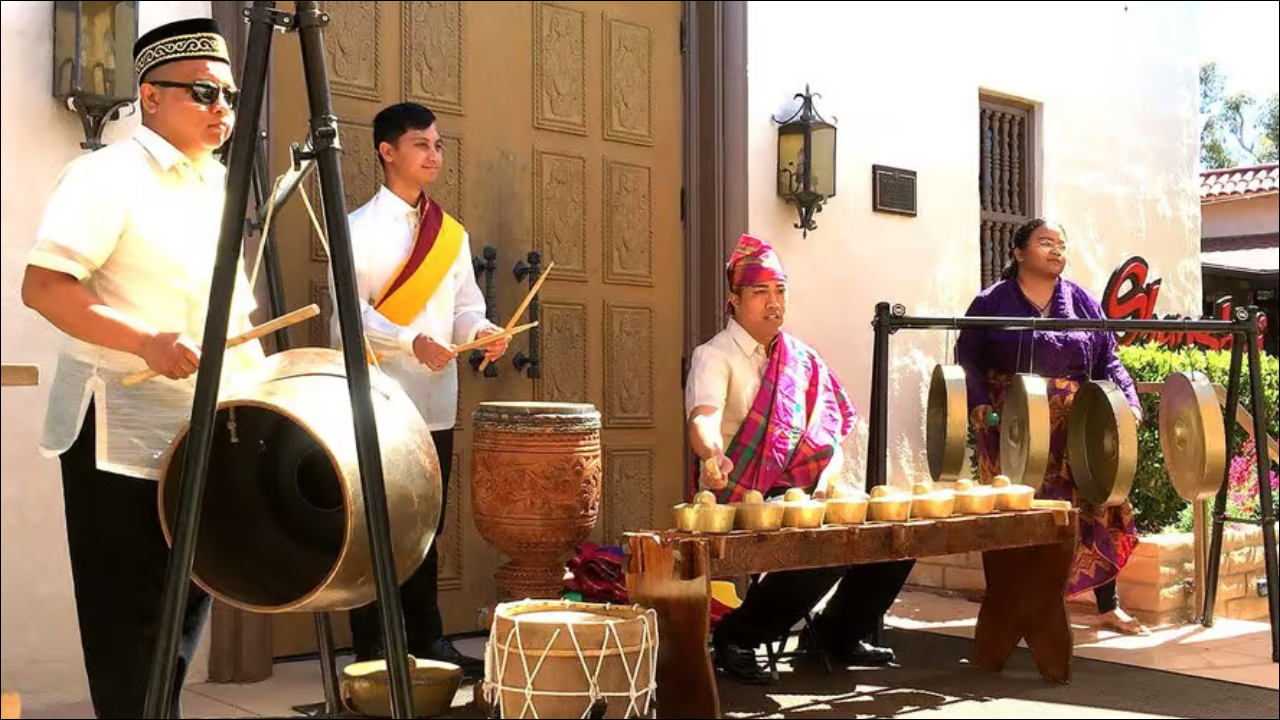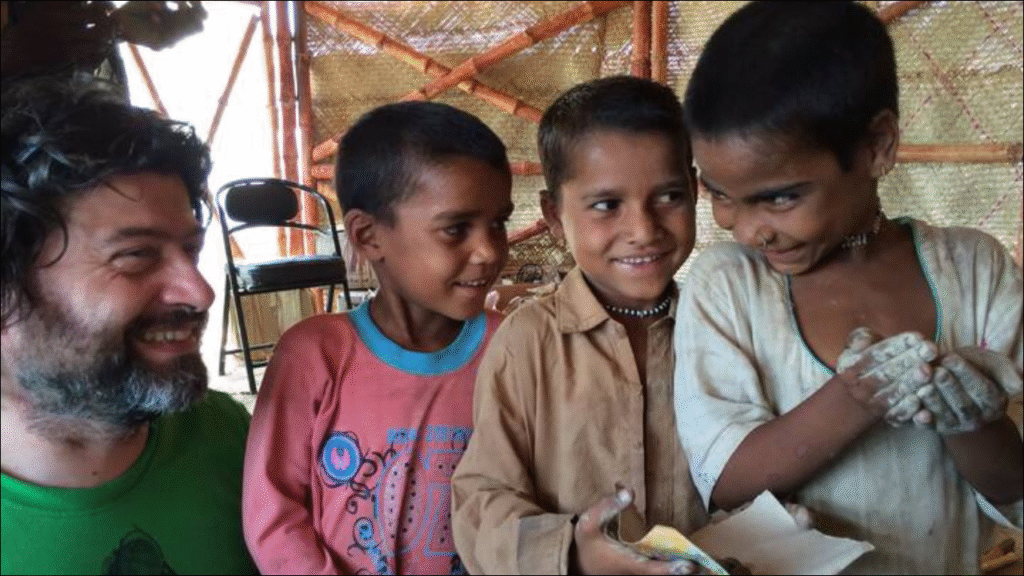
Non-Governmental Organizations (NGOs) have become essential partners in preserving the intangible cultural heritage of Cachoeiro de Itapemirim. The region’s vibrant traditions—spanning music, dance, oral storytelling, handicrafts, and festivals—require organized efforts for documentation, education, and promotion. NGOs bridge the gap between local communities, government bodies, and international institutions, ensuring that heritage initiatives remain community-driven, sustainable, and inclusive. Their multifaceted roles contribute not only to cultural preservation but also to social empowerment, economic growth, and identity reinforcement.
Table of Contents
1. Educational and Awareness Programs
Overview: NGOs in Cachoeiro de Itapemirim organize workshops, seminars, and community classes to raise awareness about the value of local traditions.
Key Activities:
- Cultural Education Workshops: Teach traditional art forms and practices in schools and community centers.
- Public Awareness Campaigns: Promote the importance of safeguarding heritage through media and exhibitions.
- Community Seminars: Discuss challenges in preserving oral traditions and performing arts.
- School Collaborations: Integrate cultural topics into classroom learning.
| Activity | Target Audience | Expected Outcome |
|---|---|---|
| Cultural Education Workshops | Students & youth | Skill transmission and awareness |
| Awareness Campaigns | General public | Broader understanding of heritage value |
| Community Seminars | Residents | Problem-solving and discussion forums |
| School Collaborations | Teachers & students | Long-term educational integration |
2. Documentation and Research Support
Overview: NGOs play a crucial role in recording, studying, and archiving traditional knowledge and art forms.
Key Contributions:
- Audio-Visual Documentation: Record performances, rituals, and oral histories.
- Publication of Research Materials: Produce books, journals, and online articles on local culture.
- Cultural Inventories: Develop databases of traditional practices, crafts, and community narratives.
- Collaboration with Universities: Conduct joint research on local heritage.
| Contribution | Description | Impact |
|---|---|---|
| Audio-Visual Documentation | Record traditional performances | Permanent cultural record |
| Research Publications | Share heritage insights | Academic and public awareness |
| Cultural Inventories | Catalog intangible heritage elements | Organized preservation system |
| University Collaboration | Academic partnerships | Authentic and scholarly documentation |
3. Capacity Building for Artisans and Performers
Overview: Empowering traditional artists ensures that skills and knowledge are retained within the community.
Key Actions:
- Skill Development Workshops: Provide training to enhance traditional craftsmanship and performance.
- Business and Marketing Guidance: Help artisans promote and sell cultural products.
- Artist Exchange Programs: Facilitate cultural learning among regional communities.
- Leadership Training: Prepare artisans to manage cultural enterprises independently.
| Action | Beneficiaries | Outcome |
|---|---|---|
| Skill Workshops | Artisans & performers | Improved craftsmanship |
| Marketing Guidance | Local artisans | Sustainable livelihoods |
| Exchange Programs | Artists from various regions | Intercultural learning |
| Leadership Training | Cultural leaders | Self-sustaining organizations |
4. Community Empowerment Through Cultural Activities
Overview: NGOs link cultural preservation with social development by encouraging inclusive participation.
Community-Based Approaches:
- Women’s Participation: Involve women in traditional culinary arts, weaving, and music.
- Youth Programs: Provide spaces for young people to learn and innovate with traditional forms.
- Intergenerational Learning: Encourage collaboration between elders and youth.
- Cultural Festivals: Organize inclusive events that celebrate heritage diversity.
| Approach | Focus Group | Benefit |
|---|---|---|
| Women’s Participation | Female artisans & cooks | Empowerment through cultural roles |
| Youth Programs | Students & young artists | Preservation through creativity |
| Intergenerational Learning | Elders & youth | Knowledge transmission |
| Cultural Festivals | Entire community | Unity and pride in heritage |
5. Collaboration with Government and International Bodies
Overview: NGOs coordinate with local authorities and global institutions to enhance policy implementation and funding access.
Collaborative Efforts:
- Policy Implementation: Support the execution of local and national cultural preservation laws.
- Funding Partnerships: Secure grants from UNESCO, cultural ministries, and philanthropic organizations.
- Advisory Roles: Provide expert input in heritage management strategies.
- Cross-Border Cultural Exchanges: Promote global understanding of Cachoeiro’s heritage.
| Collaboration Type | Partner Institutions | Outcome |
|---|---|---|
| Policy Implementation | Local & state government | Effective heritage management |
| Funding Partnerships | UNESCO, NGOs, cultural ministries | Financial sustainability |
| Advisory Roles | Municipal councils | Expert guidance and monitoring |
| Cultural Exchanges | Global cultural bodies | International cultural visibility |
6. Promotion of Heritage Tourism
Overview: Cultural tourism initiatives by NGOs help promote heritage while supporting the local economy.
Tourism Strategies:
- Cultural Tours: Introduce visitors to historical and artistic landmarks.
- Heritage Trails: Map traditional sites for guided tours.
- Artisan Markets: Organize craft fairs featuring local handmade products.
- Festival Promotion: Market local festivals like Folia de Reis as cultural attractions.
| Strategy | Tourism Element | Impact |
|---|---|---|
| Cultural Tours | Historical sites & performances | Tourist education and awareness |
| Heritage Trails | Traditional neighborhoods | Sustainable cultural tourism |
| Artisan Markets | Local crafts | Income for artisans |
| Festival Promotion | Music & dance events | Increased visitor engagement |
7. Digital Heritage and Modernization Efforts
Overview: NGOs adopt technology to safeguard and promote Cachoeiro’s intangible heritage in modern formats.
Digital Initiatives:
- Online Archives: Host digital collections of music, crafts, and oral histories.
- E-learning Platforms: Offer online courses in local performing arts.
- Social Media Campaigns: Share content highlighting community stories.
- Virtual Exhibitions: Present traditional performances through online galleries.
| Initiative | Purpose | Benefit |
|---|---|---|
| Online Archives | Digital preservation | Accessibility and longevity |
| E-learning Platforms | Remote education | Wider participation |
| Social Media Campaigns | Awareness and engagement | Youth involvement |
| Virtual Exhibitions | Digital promotion | Global audience reach |
8. Preservation of Oral Traditions and Local Narratives
Overview: Many NGOs in Cachoeiro de Itapemirim actively document oral histories and storytelling traditions passed down through generations.
Key Efforts:
- Storytelling Projects: Record folktales and local legends narrated by elders.
- Community Theater: Encourage performances based on traditional stories.
- Language Preservation: Support local dialect teaching and documentation.
- Cultural Publications: Print and distribute story collections for schools and libraries.
| Effort | Target Area | Result |
|---|---|---|
| Storytelling Projects | Oral traditions | Preservation of ancestral wisdom |
| Community Theater | Folk narratives | Revival of local stories |
| Language Preservation | Local dialects | Continuation of linguistic identity |
| Cultural Publications | Schools & libraries | Educational use and awareness |
9. Challenges Faced by NGOs in Cultural Preservation
Overview: Despite their contributions, NGOs face several challenges in maintaining sustainable heritage programs.
Common Challenges:
- Limited funding for large-scale projects.
- Lack of trained personnel in heritage documentation.
- Insufficient collaboration between NGOs and local governments.
- Difficulties in adapting traditional practices to digital formats.
| Challenge | Possible Solution |
|---|---|
| Funding Constraints | Develop partnerships with corporations and donors |
| Lack of Expertise | Train volunteers and staff in heritage management |
| Weak Coordination | Establish formal communication with authorities |
| Digital Adaptation | Invest in technology training and infrastructure |
10. Future Opportunities and Strategic Directions
Overview: The evolving cultural landscape of Cachoeiro de Itapemirim provides new opportunities for NGOs to expand their impact.
Emerging Opportunities:
- Community-Led Heritage Mapping: Involve locals in identifying heritage assets.
- Creative Collaborations: Blend traditional and modern art forms.
- Cultural Entrepreneurship: Train artisans in business skills.
- Global Partnerships: Connect with international heritage preservation networks.
| Opportunity | Potential Impact |
|---|---|
| Community-Led Mapping | Greater public participation |
| Creative Collaborations | Modern relevance of traditions |
| Cultural Entrepreneurship | Economic empowerment |
| Global Partnerships | Broadened cultural exchange |
Summing Up
NGOs in Cachoeiro de Itapemirim hold a central position in preserving the city’s intangible heritage. Their initiatives—ranging from education, documentation, and research to tourism and digital innovation—ensure that traditional knowledge remains relevant and accessible. Through collaboration with governments, schools, artists, and international bodies, NGOs empower communities to safeguard their cultural legacy. Despite funding and logistical challenges, their commitment and creativity continue to drive sustainable cultural development. The active role of NGOs guarantees that Cachoeiro’s living traditions will endure, inspire, and evolve for future generations.