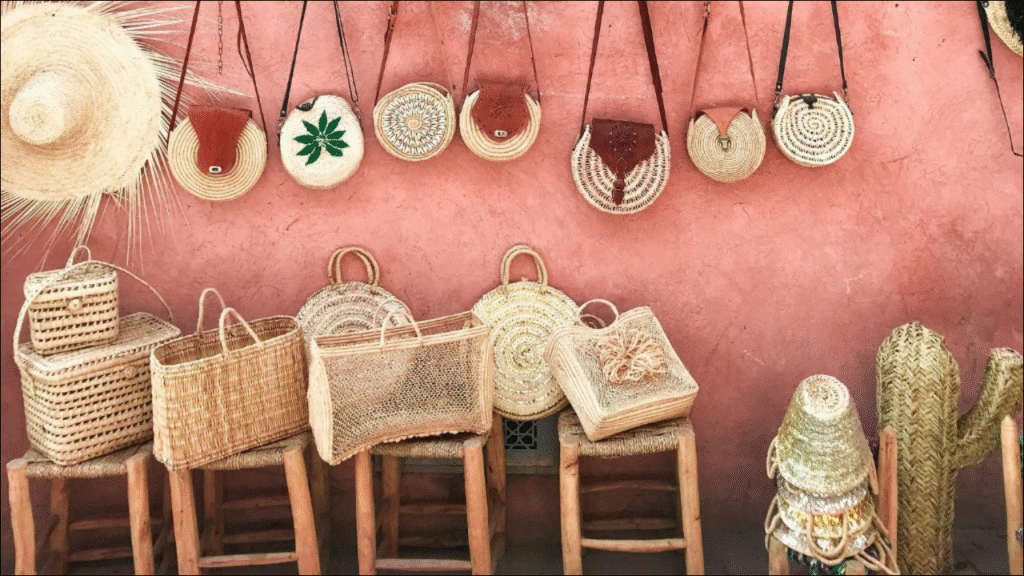
Sustainability plays a vital role in the preservation of heritage crafts in Cachoeiro de Itapemirim. The city’s artisans have inherited unique skills that reflect centuries of cultural evolution, local resources, and community values. Maintaining these crafts requires approaches that balance tradition with modern environmental and economic realities. Through eco-friendly practices, ethical production, and innovative market adaptation, Cachoeiro’s cultural community ensures that traditional craftsmanship remains viable, meaningful, and environmentally responsible.
Table of Contents
Importance of Sustainability in Heritage Craft Preservation
Sustainability ensures that craft traditions continue to thrive without depleting natural or cultural resources.
- Cultural continuity protects ancient techniques from extinction.
- Economic sustainability provides a fair income to artisans.
- Environmental responsibility reduces waste and resource exploitation.
- Community participation maintains intergenerational learning.
- Cultural innovation allows traditional crafts to adapt to modern tastes.
Core Principles of Sustainable Craft Preservation
Preservation of traditional crafts in Cachoeiro de Itapemirim revolves around several key principles.
| Principle | Description | Local Application |
|---|---|---|
| Resource Renewal | Using renewable or recycled materials | Utilization of locally sourced clay and fibers |
| Ethical Production | Ensuring fair wages and safe conditions | Supported by artisan cooperatives |
| Cultural Authenticity | Retaining traditional designs and meanings | Handcrafted motifs inspired by local folklore |
| Economic Viability | Creating stable markets for artisans | Collaboration with local tourism boards |
| Environmental Balance | Reducing pollution and waste | Adoption of natural dyes and organic materials |
Role of the Cachoeiro de Itapemirim Association
The association actively promotes sustainable craft practices by integrating environmental awareness with cultural preservation.
- Organizes training sessions on eco-friendly material usage.
- Encourages recycling of old craft materials for new creations.
- Supports artisans’ cooperatives that share resources and profits.
- Facilitates market connections between traditional producers and ethical buyers.
- Promotes awareness campaigns highlighting the link between sustainability and heritage.
Use of Eco-Friendly Materials
Cachoeiro’s artisans increasingly rely on sustainable raw materials that align with environmental goals.
- Natural fibers like cotton, jute, and bamboo replace synthetic textiles.
- Clay and terracotta crafts use locally available, biodegradable materials.
- Vegetable dyes substitute chemical-based colorants.
- Reclaimed wood is used in furniture and decorative items.
- Organic wax and resin enhance product longevity without toxic effects.
Training and Capacity Building for Artisans
The success of sustainable craft preservation depends on education and skill development.
| Training Area | Focus | Outcome |
|---|---|---|
| Eco-Design Principles | Incorporation of green design thinking | Creation of environmentally safe products |
| Business Management | Teaching pricing, marketing, and finance | Improved artisan entrepreneurship |
| Digital Marketing | Promoting crafts through online platforms | Expanded market reach |
| Waste Reduction Techniques | Reuse of leftover materials | Efficient resource use |
| Cultural Documentation | Recording techniques for future generations | Knowledge continuity |
Community Participation in Craft Sustainability
Community involvement ensures that sustainable craft practices become part of everyday life in Cachoeiro de Itapemirim.
- Family workshops encourage knowledge sharing between generations.
- Local schools integrate craft education into cultural curricula.
- Women’s cooperatives strengthen social and economic empowerment.
- Community fairs promote eco-friendly products to local buyers.
- Collaborative events link artisans, environmentalists, and cultural activists.
Economic Sustainability and Market Adaptation
Sustainability also depends on ensuring that traditional crafts generate consistent income.
- Partnerships with tourism increase exposure and product demand.
- Online sales platforms expand markets beyond regional borders.
- Certification programs label authentic and sustainable products.
- Exhibitions and trade fairs create opportunities for networking and sales.
- Product diversification adapts traditional crafts for modern consumers.
Examples of Sustainable Craft Initiatives in Cachoeiro de Itapemirim
| Initiative | Focus Area | Impact |
|---|---|---|
| Eco-Artisan Program | Training artisans in sustainable production | Reduced waste and material costs |
| Green Craft Markets | Promoting eco-labeled traditional goods | Increased consumer awareness |
| Heritage Skills Revival Workshops | Teaching youth about traditional techniques | Intergenerational learning |
| Clay Heritage Project | Supporting eco-friendly pottery makers | Preservation of ancient ceramic styles |
| Women’s Bamboo Craft Cooperative | Empowering rural women artisans | Sustainable income and social inclusion |
Challenges in Implementing Sustainable Practices
Several obstacles hinder the full adoption of sustainable craft methods in Cachoeiro de Itapemirim.
- Limited access to eco-materials increases production costs.
- Lack of market awareness about sustainable products affects demand.
- Insufficient funding restricts training and promotional activities.
- Climate-related issues impact raw material availability.
- Competition from mass-produced goods undermines artisan livelihoods.
Innovative Solutions and Future Strategies
Ongoing innovation ensures that Cachoeiro’s crafts remain sustainable and relevant.
- Development of local material banks for renewable raw resources.
- Establishment of eco-label certification for genuine heritage crafts.
- Collaboration with design schools to merge tradition with innovation.
- Adoption of solar-powered tools to reduce carbon footprints.
- Creation of artisan digital platforms for ethical global sales.
Cultural and Environmental Benefits of Sustainable Craft Practices
Sustainability supports not only environmental conservation but also the survival of intangible heritage.
| Benefit Type | Description | Outcome |
|---|---|---|
| Cultural | Preserves traditional techniques and aesthetics | Strengthened community identity |
| Economic | Provides stable income through ethical trade | Improved artisan livelihood |
| Environmental | Reduces pollution and promotes renewable use | Healthier ecosystems |
| Social | Empowers marginalized artisan groups | Enhanced equality and participation |
| Educational | Inspires awareness among youth | Increased respect for heritage |
Government and NGO Involvement
Collaborative efforts from the public and private sectors strengthen the sustainability movement in Cachoeiro.
- Municipal cultural policies promote eco-conscious craft production.
- NGOs provide training, grants, and international networking.
- Environmental agencies ensure compliance with sustainable standards.
- University collaborations enable research on traditional materials.
- Cultural fairs receive government support to promote green craftsmanship.
Looking Ahead
Sustainable practices in heritage craft preservation have transformed Cachoeiro de Itapemirim into a model for responsible cultural management. By blending ecological sensitivity with traditional craftsmanship, the city has ensured that its heritage remains relevant and resilient. Artisans, associations, and policymakers work collectively to maintain this delicate balance between preservation and progress. Through eco-friendly methods, fair trade, and innovation, Cachoeiro’s crafts continue to thrive, reflecting a legacy that honors both nature and culture for future generations.