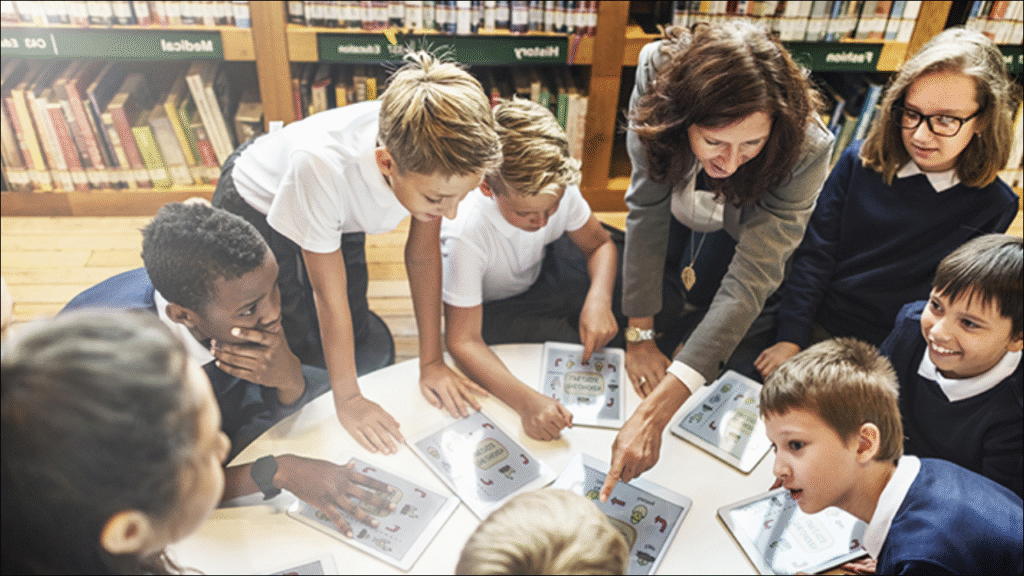
Education in Cachoeiro de Itapemirim has always been closely tied to the city’s cultural identity. The Cachoeiro de Itapemirim Association has recognized that involving educational institutions is one of the most powerful ways to sustain intangible heritage. Through partnerships with schools, colleges, and cultural training centers, the association ensures that young learners understand, appreciate, and participate in the living traditions of their community. This collaboration not only strengthens local pride but also builds the next generation of cultural custodians.
Table of Contents
Objectives of Educational Collaborations
Promotion of cultural education in school curricula to introduce local history, art, and folklore.
Encouragement of youth participation in festivals, storytelling events, and traditional performances.
Integration of hands-on learning where students engage with artisans and musicians.
Preservation of local language and oral traditions through educational storytelling sessions.
Development of creative programs linking academic subjects with cultural values and heritage awareness.
Key Educational Institutions Involved
Institution Name
Type
Role in Collaboration
Impact
Escola Estadual de Cachoeiro
Public School
Inclusion of heritage subjects in the curriculum
Raised cultural literacy among students
Colégio Jesus Cristo Rei
Private School
Student-led exhibitions on local traditions
Strengthened student engagement with heritage
Instituto Federal do Espírito Santo (IFES)
Higher Education
Research and documentation of traditional crafts
Academic recognition of local artisans
Centro Cultural Escolar
Community School
Hosting workshops and dance training
Revived interest in traditional performances
Escola Municipal Zumbi dos Palmares
Municipal School
Oral storytelling and folk song preservation
Encouraged intergenerational communication
Educational Activities and Cultural Learning Programs
Heritage clubs formed within schools promote awareness through activities like debates, plays, and exhibitions.
Cultural exchange sessions invite local masters to share their experiences with students.
Field visits to museums, craft centers, and performance spaces enhance experiential learning.
Annual student art fairs celebrate local crafts, cuisine, and music forms.
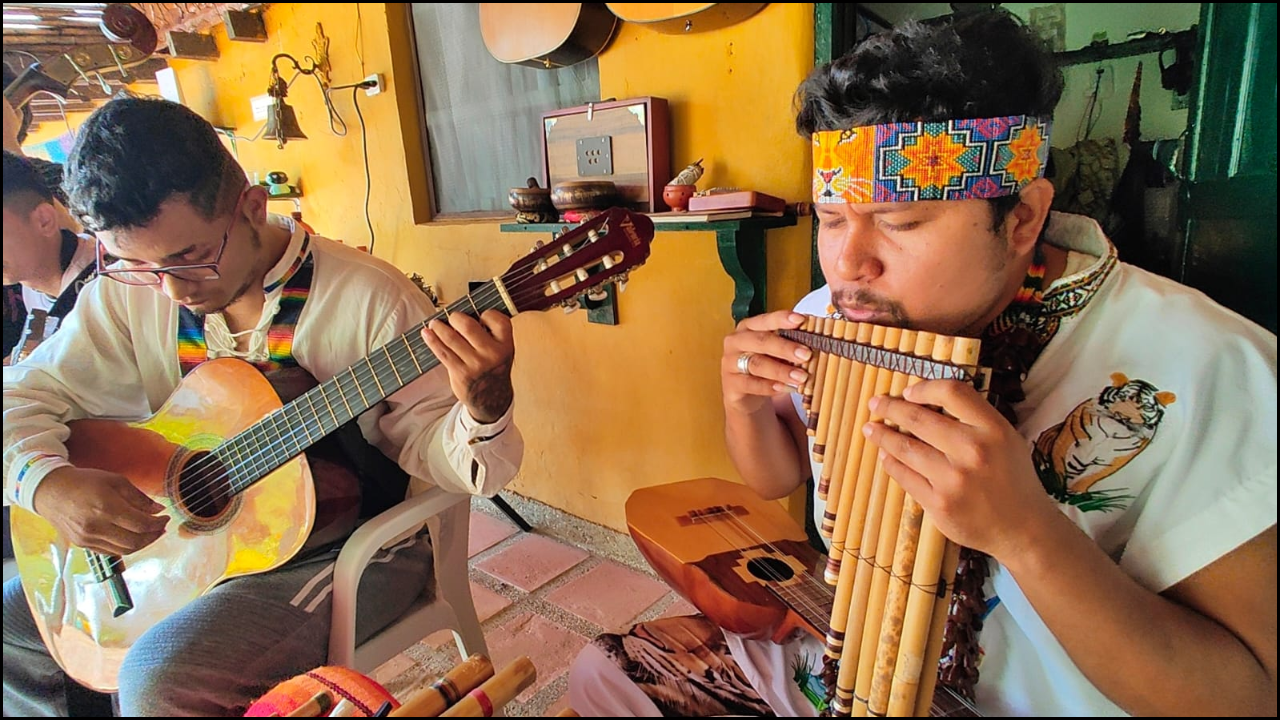
Workshops on traditional instruments allow young learners to explore the sound and rhythm of Cachoeiro’s music.
Curriculum Integration of Cultural Themes
Subject Area
Cultural Integration Example
Learning Outcome
History
Study of Cachoeiro’s festivals and colonial influences
Better understanding of the local heritage timeline
Art & Craft
Practice of tile painting and embroidery patterns
Skill development and appreciation of design
Music
Learning folk rhythms and local instruments
Awareness of musical diversity
Language
Writing oral tales and traditional stories
Strengthened storytelling traditions
Geography
Mapping of heritage landmarks and cultural routes
Spatial understanding of cultural spaces
Teacher Training and Resource Development
Workshops for teachers conducted by the association train educators in heritage education methodologies.
Development of teaching materials such as activity books, visual aids, and cultural games.
Partnership with universities helps create research-backed content on local traditions.
Digital heritage archives are used by teachers to enhance classroom discussions.
Community storytelling modules enable teachers to connect lessons with lived experiences.
Student Involvement in Heritage Events
Event Name
Student Role
Learning Benefit
Cachoeiro Heritage Week
Performers, guides, and volunteers
Real-world exposure to cultural management
Artisan Day Celebration
Organizers and craft assistants
Practical understanding of craft processes
Local Storytelling Festival
Writers and narrators
Improved communication and narrative skills
Music and Dance Parade
Performers and coordinators
Teamwork and creative expression
Cultural Photography Contest
Student photographers
Visual documentation of heritage events
Community-School Partnerships
Adopt-an-Artisan program pairs schools with local craftspeople for long-term mentorship.
Village-school collaborations allow rural traditions to be showcased in urban classrooms.
Parent involvement projects encourage families to share traditional recipes, songs, and customs.
Joint celebrations between schools and community centers bridge formal education with cultural experience.
Heritage gardens developed on school grounds display local plants and cultural symbols.
Digital Learning and Innovation in Heritage Education
Digital Tool
Purpose
Result
Interactive e-modules
Teaching history and folklore
Improved student engagement
Virtual heritage tours
Online visits to monuments and festivals
Access for remote learners
Cultural apps
Showcasing crafts and traditions
Broader reach beyond classrooms
Digital storytelling projects
Student-created videos and podcasts
Modern interpretation of traditional tales
Online competitions
Essay, art, and quiz contests on culture
Motivation through recognition and rewards
Benefits of Partnerships Between Associations and Schools
Sustained transmission of intangible heritage through youth engagement.
Strengthened civic identity among students and educators.
Enhanced academic creativity through cultural exploration.
Opportunities for interdisciplinary learning combining art, history, and technology.
Creation of community-oriented education models that support both heritage and modern development.
Challenges in Educational Collaborations
Challenge
Description
Suggested Solution
Limited funding
Schools struggle to afford cultural events
Shared grants and sponsorship programs
Curriculum rigidity
Lack of flexibility in integrating culture
Inclusion of elective cultural modules
Teacher workload
Limited time for heritage activities
Support from volunteers and NGOs
Urbanization effects
Reduced interest in traditional learning
Digital campaigns targeting youth
Resource scarcity
Few materials on local culture
Development of digital archives and toolkits
Future Goals for Educational Partnerships
Expansion of heritage clubs to all schools across Cachoeiro.
Creation of cultural ambassador programs where students represent their schools in festivals.
Introduction of heritage scholarships for talented youth in arts and crafts.
Integration of digital heritage labs in schools to record and archive oral traditions.
Collaboration with national educational boards to include Cachoeiro’s heritage in regional curricula.
The Way Forward
Cachoeiro de Itapemirim Association’s collaboration with educational institutions forms the backbone of sustainable heritage preservation. Through school partnerships, the association ensures that local traditions are not confined to museums but live on in classrooms, playgrounds, and creative projects. The involvement of students, teachers, and communities transforms education into a shared cultural experience. As these young learners grow into future custodians, Cachoeiro’s intangible heritage will continue to thrive, blending tradition with innovation in the most meaningful way.
She is a creative and dedicated content writer who loves turning ideas into clear and engaging stories. She writes blog posts and articles that connect with readers. She ensures every piece of content is well-structured and easy to understand. Her writing helps our brand share useful information and build strong relationships with our audience.