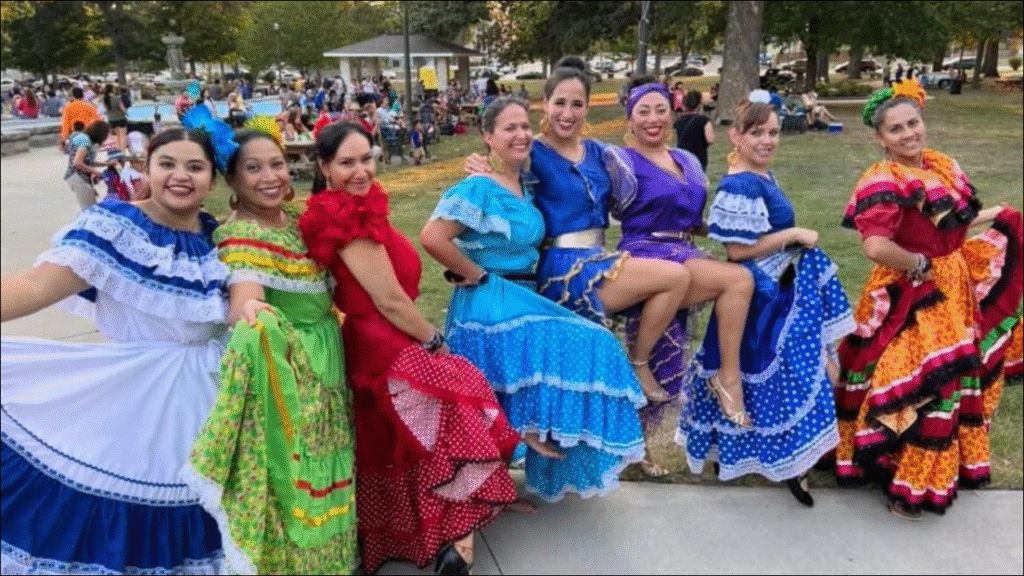
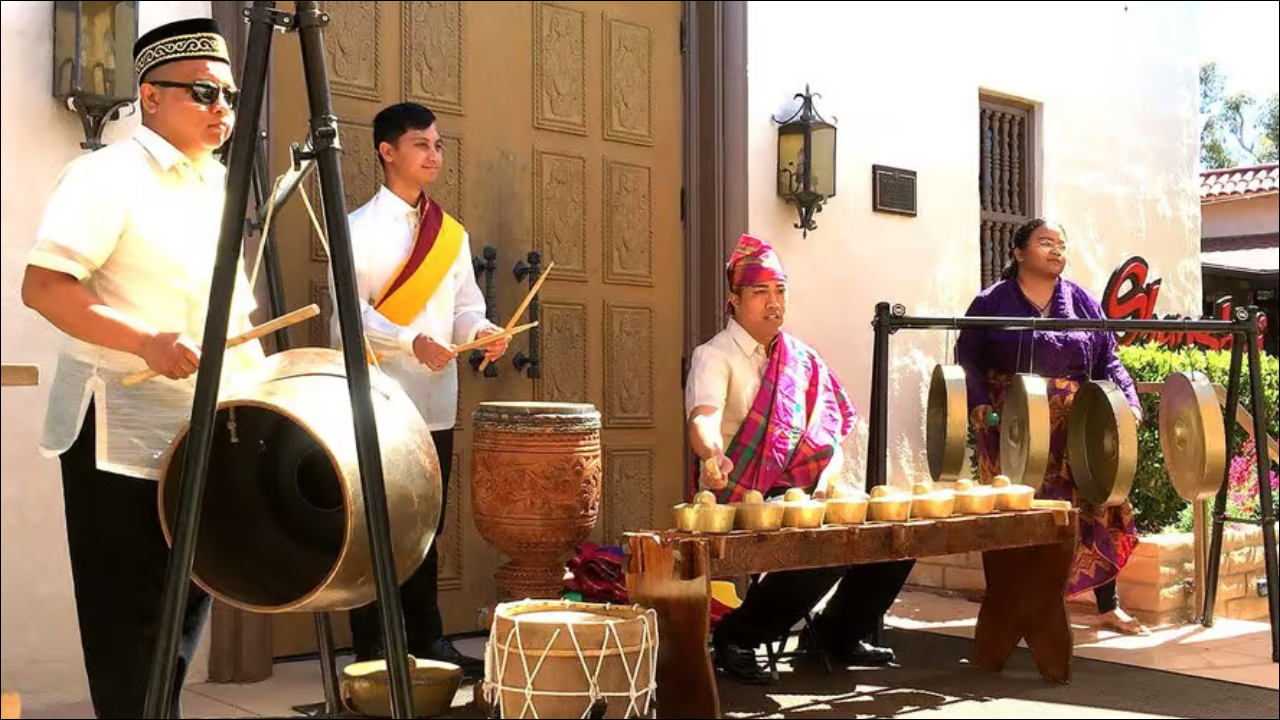
Cachoeiro de Itapemirim, a city rich in cultural diversity and artistic expression, celebrates its identity through numerous heritage festivals. These festivals serve as living museums, bringing together music, dance, crafts, cuisine, and oral traditions that have been passed down for generations. The Cachoeiro de Itapemirim Association plays a vital role in organizing and sustaining these events, transforming them into platforms that not only preserve local traditions but also strengthen social unity and attract cultural tourism.
Table of Contents
Objectives of Organizing Heritage Festivals
Promotion of local heritage through community-centered celebrations.
Revival of traditional performing arts such as folk dance, theatre, and music.
Encouragement of youth participation in heritage-based competitions and workshops.
Economic empowerment of artisans through craft exhibitions and sales.
Fostering unity among diverse cultural groups within the city.
Creation of cultural awareness among residents and visitors about Cachoeiro’s legacy.
Major Heritage Festivals Organized by the Association
Festival Name
Focus Area
Frequency
Community Participation
Impact
Festival da Cultura Cachoeirense
Music, dance, art, and cuisine
Annual
Artists, students, and cultural groups
Promoted citywide pride and tourism
Festa do Artesanato Tradicional
Local crafts and artisan traditions
Biannual
Rural and urban artisans
Expanded market access for local crafts
Encontro de Música e Dança Popular
Folk and regional performances
Annual
Musicians and dancers
Revived disappearing traditional art forms
Festival Gastronômico de Cachoeiro
Traditional recipes and food culture
Annual
Chefs, homemakers, and culinary students
Strengthened culinary heritage recognition
Semana da Memória Oral
Storytelling, poetry, and oral traditions
Every two years
Elders, youth, and educators
Encouraged intergenerational dialogue
Cultural Elements Showcased in the Festivals
Folk Music and Dance: Performances of traditional genres such as congado, jongo, and folia de reis.
Traditional Crafts: Exhibitions of ceramics, weaving, and embroidery reflecting local artistry.
Culinary Heritage: Food stalls featuring traditional sweets, cassava dishes, and regional beverages.
Theatrical Acts: Performances based on local legends and historical events.
Art Displays: Paintings, sculptures, and photography inspired by Cachoeiro’s landscapes and traditions.
Community Involvement in Festival Organization
Community Group
Role in the Festival
Contribution
Local Artisans
Exhibitors and sellers
Promote traditional crafts
Students and Teachers
Volunteers, performers, and researchers
Preserve educational-cultural ties
Elderly Residents
Storytellers and cultural guides
Share oral traditions and wisdom
Local Businesses
Sponsors and vendors
Support festival logistics and marketing
Musicians and Dancers
Core performers
Preserve and innovate traditional art forms
Educational Components of the Festivals
Workshops for students on traditional crafts, folk dance, and local music.
Cultural competitions that reward knowledge about Cachoeiro’s heritage.
Documentary screenings highlighting the history of local art forms.
Heritage storytelling sessions led by senior citizens.
Collaborations with schools to integrate festival experiences into classroom learning.
Economic and Social Benefits
Benefit Area
Positive Outcome
Local Economy
Boosted sales for artisans, food vendors, and local shops
Employment
Created seasonal jobs in event management and tourism
Cultural Identity
Strengthened pride among citizens and youth
Tourism Development
Increased domestic and international visitor numbers
Community Cohesion
Brought together diverse groups through shared celebration
Role of Technology in Festival Promotion
Digital campaigns are used to promote events via social media platforms.
Online ticketing and scheduling systems improve visitor experience.
Virtual exhibitions allow global audiences to access craft displays.
Live streaming of performances extends cultural participation beyond the city.
Digital archives preserve each festival’s highlights for future study.
Partnerships Supporting Festival Initiatives
Partner Organization
Type of Support
Outcome
Municipal Tourism Office
Event funding and logistics
Improved infrastructure for festivals
Universidade Federal do Espírito Santo
Academic and research support
Documentation of festival traditions
Local NGOs
Volunteer management
Inclusion of underrepresented communities
Media Outlets
Coverage and promotion
Wider regional visibility
Private Sponsors
Financial assistance
Sustainability of annual programs
Cultural Exchange and Collaboration
Artist exchange programs invite performers from neighboring regions.
Collaborative workshops encourage fusion between modern and traditional arts.
Cultural delegations from other Brazilian cities participate, sharing their practices.
Cross-generational performances connect experienced artists with young talents.
International partnerships promote Cachoeiro’s festivals abroad.
Challenges in Organizing Heritage Festivals
Challenge
Description
Proposed Solution
Funding limitations
Difficulty maintaining annual programs
Government grants and sponsorship expansion
Urbanization pressure
Loss of traditional venues and open spaces
Allocation of protected cultural zones
Youth disengagement
Decreasing interest in traditional art forms
Interactive youth-focused festival sections
Climate and logistical issues
Weather-related disruptions during events
Infrastructure improvements and indoor venues
Balancing authenticity and innovation
Risk of over-modernizing heritage
Expert curation and community consultation
Sustainability and Environmental Considerations
Use of eco-friendly materials for decorations and stages.
Recycling programs are implemented during large events.
Promotion of local ingredients in culinary festivals to support small farmers.
Encouragement of green transportation for festival-goers.
Education booths on environmental awareness within cultural spaces.
Future Goals for Heritage Festivals
Planned Initiative
Expected Benefit
Expansion of festival circuits to smaller districts
Wider community participation
Introduction of digital cultural archives
Long-term preservation of festival heritage
Creation of youth-led festival committees
Sustainable leadership for future generations
Partnerships with international cultural bodies
Global recognition of Cachoeiro’s heritage
Inclusion of workshops on sustainable tourism
Integration of culture with environmental ethics
Final Analysis
Heritage festivals organized by the Cachoeiro de Itapemirim Association form the backbone of cultural preservation and community pride. Each celebration transforms tradition into a living, evolving experience that connects the past with the present. By combining artistic creativity, education, and economic empowerment, these festivals reinforce the city’s identity while welcoming modernity with respect and balance. The association’s commitment ensures that Cachoeiro de Itapemirim continues to shine as a beacon of cultural vitality, where heritage is not merely remembered but lived in every performance, craft, and melody.
She is a creative and dedicated content writer who loves turning ideas into clear and engaging stories. She writes blog posts and articles that connect with readers. She ensures every piece of content is well-structured and easy to understand. Her writing helps our brand share useful information and build strong relationships with our audience.