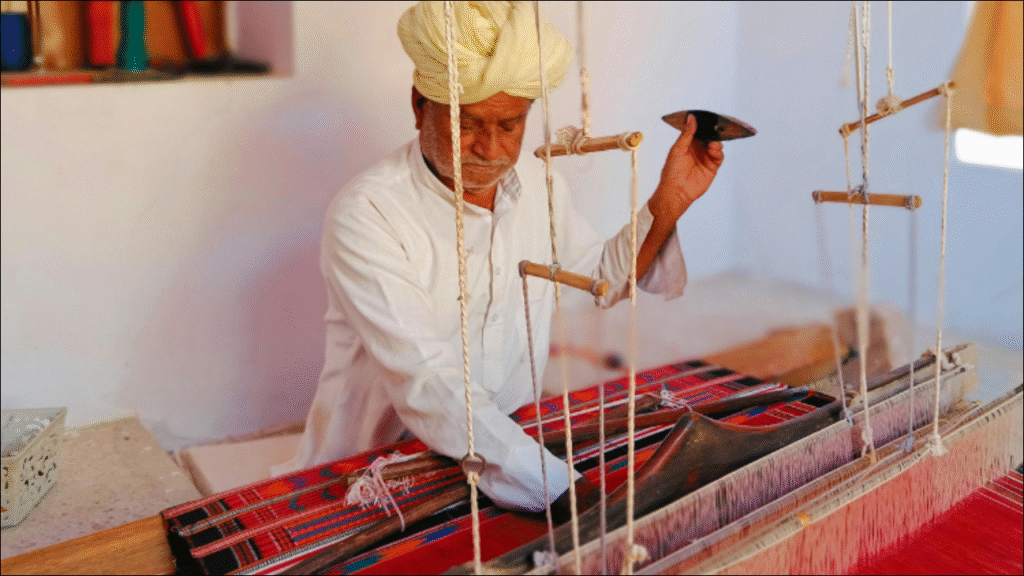
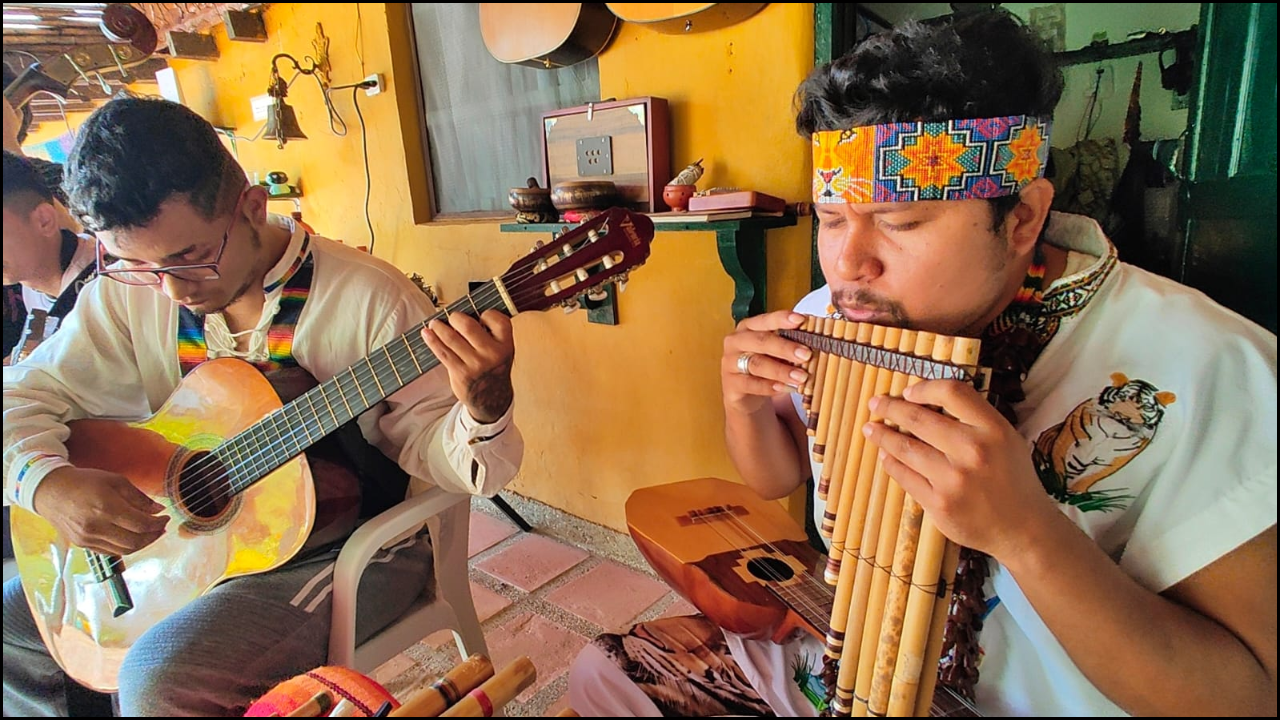
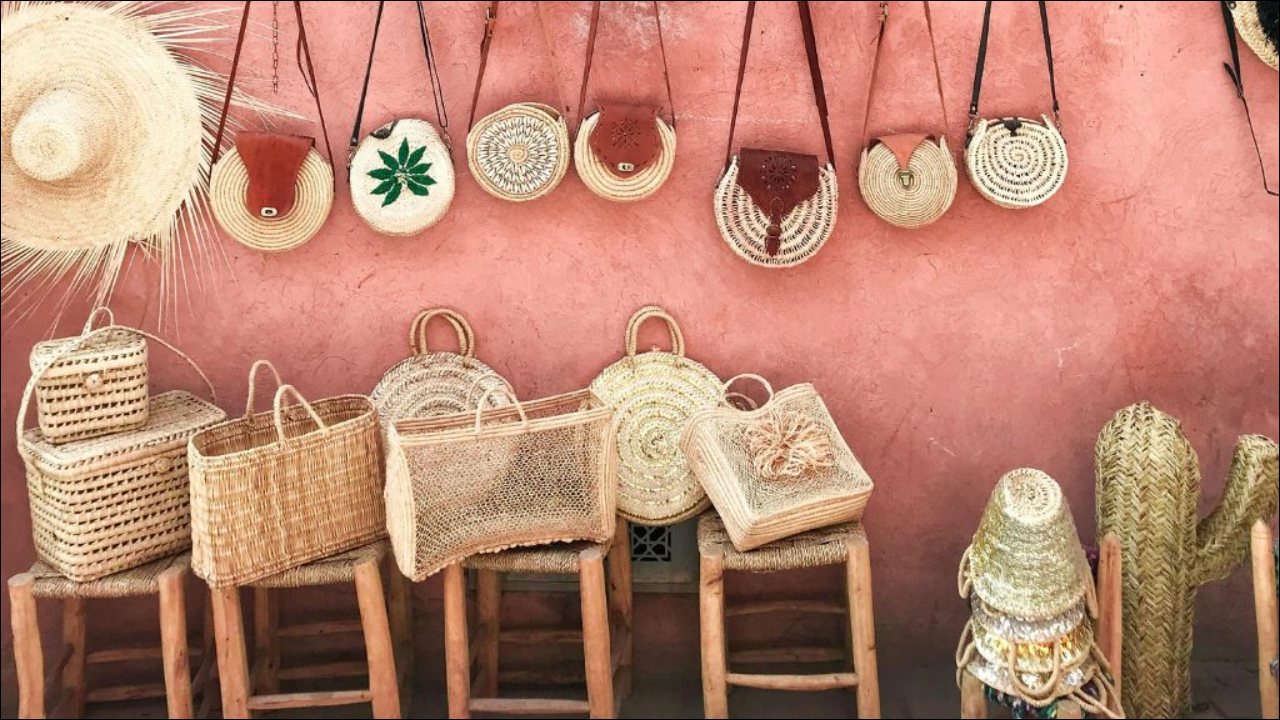
Cachoeiro de Itapemirim, a culturally rich city in Espírito Santo, has long been known for its traditional crafts and skilled artisans. These crafts reflect not only the artistic talent of the local people but also their connection to nature, faith, and daily life. The Cachoeiro de Itapemirim Association plays a vital role in safeguarding these traditions by organizing craft workshops, training programs, and exhibitions that pass skills from one generation to another. Through such initiatives, the association ensures that the heritage of handmade artistry continues to thrive in the modern age, supporting cultural sustainability and economic empowerment.
Table of Contents
1. Significance of Traditional Crafts in Cachoeiro de Itapemirim
Cultural identity – Crafts such as pottery, weaving, and wood carving represent the soul of Cachoeiro’s community life.
Historical continuity – Each craft form carries a story of local ancestry, rituals, and craftsmanship.
Economic resilience – Handicrafts provide livelihood opportunities to rural and urban artisans.
Sustainability – Many crafts use locally sourced, eco-friendly materials that support environmental preservation.
Tourism appeal – Handcrafted products attract cultural tourists and promote regional heritage.
2. Role of the Cachoeiro de Itapemirim Association
Training organization – The association conducts regular workshops for artisans to improve skills and creativity.
Apprenticeship programs – Young learners are paired with experienced artisans for hands-on learning.
Promotion and marketing – Local crafts are showcased through exhibitions, fairs, and digital marketplaces.
Financial support – Small grants and material aid are provided to help artisans sustain production.
Documentation efforts – Traditional crafting techniques are recorded for educational and heritage purposes.
3. Major Traditional Crafts of Cachoeiro de Itapemirim
Craft Type
Material Used
Cultural Relevance
Community Involvement
Pottery
Clay, sand, and water
Reflects ancient domestic and ritual practices.
Practiced by families in rural areas.
Weaving
Cotton and natural fibers
Symbolizes community unity and creativity.
Predominantly led by women artisans.
Wood Carving
Teak and local hardwood
Represents faith through religious sculptures.
Popular among older artisans.
Stone Craft
Marble and soapstone
Showcases regional geology and skill precision.
Linked to Cachoeiro’s quarry industry.
Basketry
Bamboo and palm leaves
Connects to nature and local agriculture.
Practiced by coastal and river communities.
4. Objectives of Craft Workshops
Skill preservation – Workshops ensure ancient techniques are transmitted correctly.
Innovation – Training introduces new design trends while maintaining tradition.
Empowerment – Programs help women and youth gain independence through craft-based income.
Sustainability – Emphasis is placed on eco-friendly materials and production methods.
Cultural awareness – Workshops promote appreciation of intangible heritage within the community.
5. Structure of Craft Workshops
Stage
Activity
Outcome
Introduction
Presentation of craft history and cultural meaning.
Awareness of heritage value.
Demonstration
Live sessions by master artisans.
Visual and practical understanding.
Hands-on Practice
Participants create small craft items.
Skill development and confidence.
Design Integration
Use of modern styles while respecting tradition.
Innovation and adaptability.
Evaluation & Exhibition
Display of workshop products in fairs.
Recognition and motivation.
6. Collaboration and Partnerships
Local schools – Integration of craft lessons into art and cultural education.
Universities – Research partnerships to document traditional crafting techniques.
Municipal authorities – Policy support for artisan cooperatives and marketing.
Private enterprises – Sponsorship of workshops and craft fairs.
Nonprofits and NGOs – Promotion of fair trade practices and sustainable livelihoods.
7. Educational Impact of Artisan Training
Skill continuity – Youth learn techniques directly from masters.
Academic engagement – Schools use craft learning to teach creativity and history.
Community empowerment – Educational programs link tradition with entrepreneurship.
Gender inclusion – Workshops encourage female artisanship and leadership.
Cultural pride – Young learners gain a sense of identity and belonging through art.
8. Digital and Modern Marketing Support
Digital Initiative
Purpose
Impact on Artisans
Online Stores
Selling handmade products to a global audience.
Expanded market reach and income growth.
Social Media Promotion
Displaying craft processes and artisans’ stories.
Increased public awareness and interest.
Virtual Exhibitions
Hosting digital fairs and cultural showcases.
Access to remote audiences.
E-learning Modules
Providing online training for craft techniques.
Broader participation and flexibility.
Digital Archiving
Preserving visual and instructional records.
Long-term knowledge retention.
9. Challenges in Preserving Artisan Skills
Decline in youth interest due to modern career preferences.
Lack of financial resources to sustain production and training.
Limited access to raw materials in urbanized regions.
Global competition from industrial goods and replicas.
Cultural undervaluation leads to fewer apprentices.
10. Strategies for Sustainable Preservation
Skill mapping to identify and support endangered crafts.
Eco-friendly material promotion to align with sustainability goals.
Regular workshops across rural and urban centers.
Artisan cooperatives for joint production and fair trade.
Government incentives for craft-based entrepreneurship.
11. Economic and Cultural Outcomes
Outcome Type
Description
Result for Community
Economic Growth
Handicrafts create sustainable jobs and local trade.
Improved livelihood for artisans.
Cultural Continuity
Preservation of ancient crafting traditions.
Enhanced cultural resilience.
Tourism Development
Crafts featured in heritage tourism routes.
Increased visitor engagement.
Education & Research
Documentation supports academic study.
Better cultural understanding.
Innovation & Design
Fusion of modern styles with traditional roots.
Broader product appeal.
12. Future Vision of the Cachoeiro de Itapemirim Association
Establishment of a permanent craft center to serve as a hub for artisans, researchers, and learners.
Creation of a cultural heritage museum to display historical crafts and tools.
Expansion of digital learning platforms for global skill-sharing.
Inclusion of craft certification programs to professionalize artisanship.
Encouragement of youth ambassadors to promote traditional crafts through media and events.
Last Words
Craft workshops and artisan skill preservation in Cachoeiro de Itapemirim stand as a testament to the city’s respect for its cultural roots and creative spirit. Through dedicated training, documentation, and modern adaptation, the Cachoeiro de Itapemirim Association ensures that traditional crafts remain both relevant and revered. These efforts not only protect intangible cultural heritage but also provide pathways for sustainable livelihoods, community pride, and global appreciation of local craftsmanship. With continued innovation, education, and community engagement, the artisans of Cachoeiro de Itapemirim will continue to shape the region’s cultural future with their skilled hands and timeless artistry.
She is a creative and dedicated content writer who loves turning ideas into clear and engaging stories. She writes blog posts and articles that connect with readers. She ensures every piece of content is well-structured and easy to understand. Her writing helps our brand share useful information and build strong relationships with our audience.