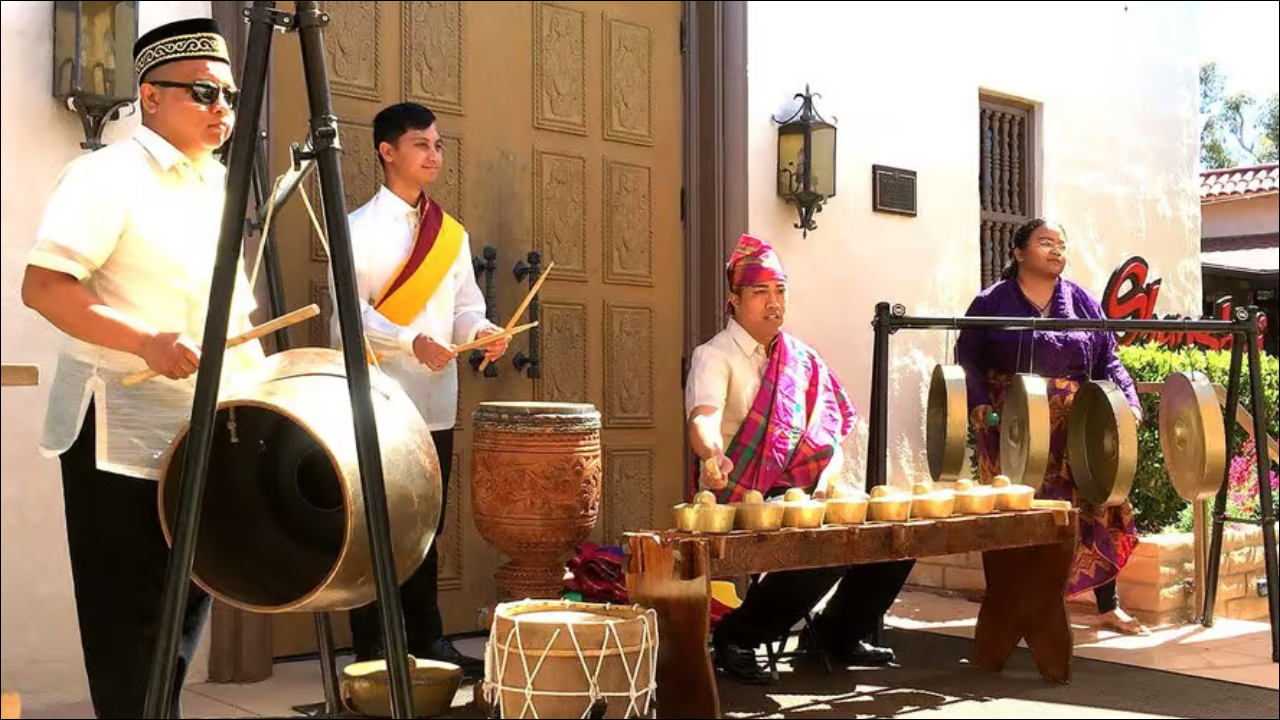
Future strategies for safeguarding intangible heritage in Cachoeiro de Itapemirim focus on sustainability, innovation, and community participation. The city’s diverse traditions—including music, dance, crafts, oral storytelling, festivals, and culinary arts—require strategic interventions to ensure their continuity amid modernization and social change. By integrating technology, education, youth engagement, and policy support, Cachoeiro can strengthen heritage preservation while fostering cultural pride and identity. These strategies aim to balance traditional practices with contemporary relevance.
Table of Contents
1. Integration of Technology in Heritage Preservation
Overview: Technology provides tools for documenting, archiving, and promoting intangible heritage to broader audiences.
Key Strategies:
- Digital Archiving: Create online repositories for music, dance, oral histories, crafts, and culinary traditions.
- Virtual Exhibitions: Develop interactive online tours of cultural festivals, workshops, and performance spaces.
- Mobile Applications: Offer heritage guides and educational resources accessible to residents and tourists.
- Social Media Promotion: Engage youth in sharing cultural content and raising awareness globally.
| Strategy | Purpose | Expected Outcome |
|---|---|---|
| Digital Archiving | Preserve traditions | Long-term accessibility and research support |
| Virtual Exhibitions | Showcase festivals & arts | Broader audience reach |
| Mobile Applications | Heritage education & tourism | Enhanced public engagement |
| Social Media Promotion | Youth engagement & awareness | Global visibility and participation |
2. Strengthening Educational Programs
Overview: Education ensures the transmission of heritage knowledge and skills to younger generations.
Key Approaches:
- School Curriculum Integration: Include music, dance, crafts, and local history in lesson plans.
- Workshops and Extracurricular Activities: Hands-on training in traditional arts and culinary skills.
- Youth Leadership Programs: Encourage students to organize cultural events and lead heritage projects.
- Collaboration with Universities: Research and academic programs focusing on local traditions.
| Program | Target Group | Expected Benefit |
|---|---|---|
| Curriculum Integration | Students | Awareness and skill development |
| Workshops/Extracurriculars | Youth | Hands-on experience in traditional arts |
| Youth Leadership | Teenagers | Responsibility and active participation |
| University Collaboration | Students & researchers | Academic documentation and innovation |
3. Community Engagement and Participation
Overview: Active community involvement is essential for preserving authentic practices and sustaining cultural relevance.
Key Strategies:
- Participatory Mapping: Residents identify important cultural sites, practices, and events.
- Community Festivals: Encourage local participation in planning and performances.
- Oral History Documentation: Involve elders in recording stories, legends, and traditional knowledge.
- Volunteer Programs: Engage community members in workshops, cultural centers, and heritage projects.
| Strategy | Community Role | Impact |
|---|---|---|
| Participatory Mapping | Identify heritage assets | Inclusive and accurate documentation |
| Community Festivals | Performers and organizers | Maintain traditions and social cohesion |
| Oral History Documentation | Storytellers | Preserve intangible knowledge |
| Volunteer Programs | Assist in heritage initiatives | Enhanced community ownership |
4. Policy Support and Institutional Collaboration
Overview: Government policies and institutional collaboration create frameworks for systematic heritage safeguarding.
Key Measures:
- Funding and Grants: Financial support for workshops, festivals, and digital projects.
- Cultural Preservation Policies: Regulations to protect traditional spaces, festivals, and crafts.
- Partnerships with Universities and NGOs: Research, documentation, and technical support.
- Heritage Tourism Promotion: Integrate mapped cultural assets into tourism plans.
| Policy/Support | Provider | Outcome |
|---|---|---|
| Funding & Grants | Municipal and state government | Sustains preservation projects |
| Preservation Policies | Local authorities | Protect cultural spaces and traditions |
| Institutional Collaboration | Universities & NGOs | Research, training, and technical expertise |
| Tourism Promotion | Tourism boards | Economic support and cultural awareness |
5. Youth Engagement in Preservation
Overview: Youth involvement is critical for the continuity of heritage practices.
Key Strategies:
- Cultural Apprenticeships: Pair young people with artisans, musicians, and performers.
- Digital Heritage Projects: Encourage youth to document and promote traditions online.
- Festival Participation: Involve youth in organizing and performing at local events.
- Creative Innovation: Allow youth to adapt heritage practices to modern contexts without compromising authenticity.
| Strategy | Youth Role | Benefit |
|---|---|---|
| Cultural Apprenticeships | Learners and assistants | Skills transfer and mentorship |
| Digital Projects | Content creators | Wider reach and contemporary relevance |
| Festival Participation | Performers & organizers | Experience and pride in local culture |
| Creative Innovation | Innovators | Maintain heritage relevance in modern society |
6. Sustainable Funding and Resource Management
Overview: Long-term preservation requires sustainable financial and material resources.
Key Approaches:
- Public-Private Partnerships: Collaborate with businesses and cultural institutions for sponsorship.
- Heritage Grants: Apply for national and international funding programs.
- Merchandising and Cultural Products: Promote local crafts, music, and culinary items to generate revenue.
- Infrastructure Development: Maintain cultural centers, museums, and performance spaces.
| Approach | Purpose | Outcome |
|---|---|---|
| Public-Private Partnerships | Funding and resources | Financial sustainability |
| Heritage Grants | Support specific projects | Expand programs and initiatives |
| Merchandising | Promote culture economically | Support artisans and the local economy |
| Infrastructure Development | Preserve venues | Safe spaces for workshops and performances |
7. Research, Documentation, and Innovation
Overview: Continuous research and documentation ensure that heritage practices are accurately recorded and accessible for future generations.
Strategies:
- Academic Research Projects: Study local music, crafts, culinary arts, and festivals.
- Digital Repositories: Store audio, video, and textual records for community and scholarly use.
- Innovation Labs: Encourage creative approaches to integrating heritage in contemporary arts and media.
- Collaborative Documentation: Involve local communities in recording and archiving traditions.
| Strategy | Focus Area | Impact |
|---|---|---|
| Academic Research | Music, crafts, and culinary arts | Knowledge generation and preservation |
| Digital Repositories | Archives of traditions | Long-term accessibility |
| Innovation Labs | Contemporary arts integration | Modern relevance of heritage |
| Collaborative Documentation | Community participation | Authentic and inclusive records |
8. Monitoring and Evaluation Mechanisms
Overview: Monitoring and evaluation ensure the effectiveness of preservation strategies and identify areas for improvement.
Approaches:
- Regular Assessments: Evaluate workshops, festivals, and digital projects.
- Community Feedback: Collect input from participants and local residents.
- Performance Metrics: Track youth involvement, audience engagement, and skill retention.
- Policy Reviews: Update regulations and strategies based on cultural and social changes.
| Mechanism | Purpose | Outcome |
|---|---|---|
| Assessments | Measure program effectiveness | Continuous improvement |
| Community Feedback | Gather insights | Responsive heritage programs |
| Performance Metrics | Track engagement and skill retention | Evidence-based planning |
| Policy Reviews | Update strategies | Adaptive and relevant preservation |
Future Implications
Future strategies for safeguarding intangible heritage in Cachoeiro de Itapemirim emphasize integration of technology, education, community participation, and youth engagement. Sustainable funding, policy support, research, and documentation further strengthen preservation efforts. By combining tradition with innovation, the city can ensure the continuity of its music, dance, crafts, oral narratives, culinary arts, and festivals. These strategies not only preserve cultural identity but also promote social cohesion, economic development, and global appreciation of Cachoeiro’s rich intangible heritage for generations to come.