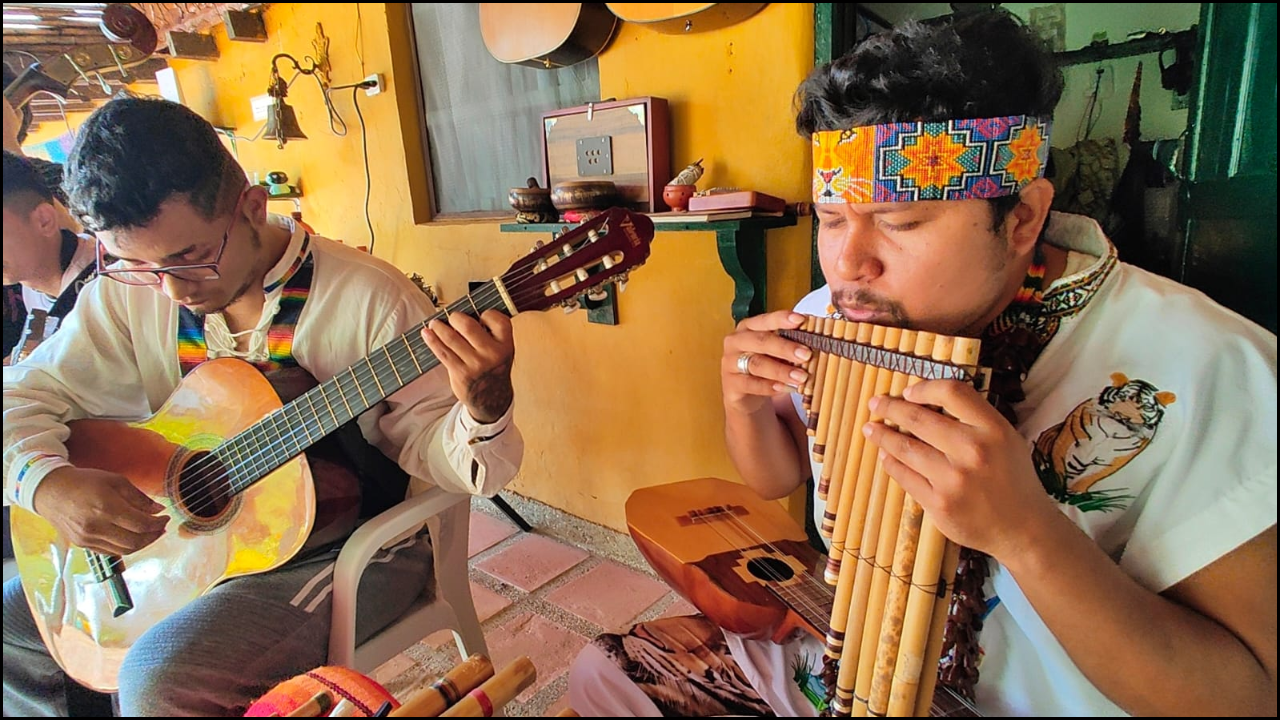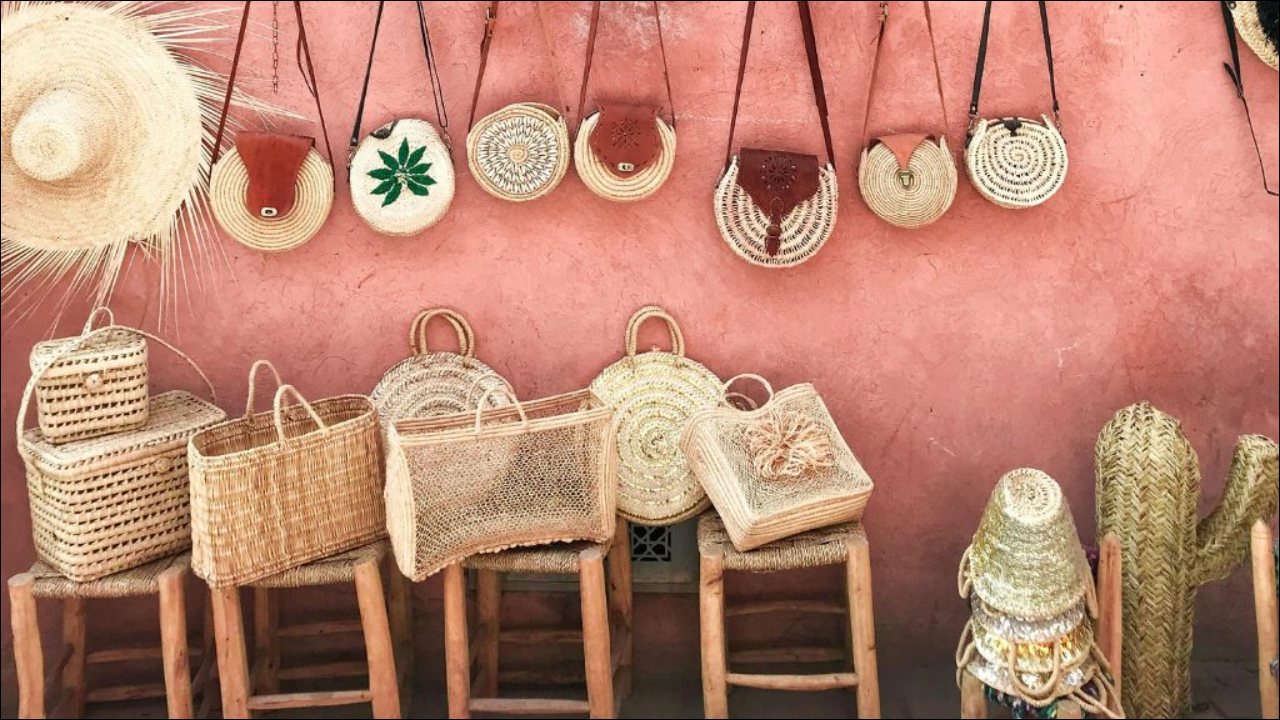
Cachoeiro de Itapemirim, located in the southern region of Espírito Santo, is renowned for its deep-rooted cultural expressions and rich artistic heritage. Among its many traditions, the city’s handicrafts and artisan markets play a central role in preserving the region’s identity. Local artisans continue to produce unique handmade creations that reflect generations of skill, creativity, and local materials. These crafts not only symbolize tradition but also serve as a vital source of livelihood, fostering economic and cultural sustainability within the community.
Table of Contents
Importance of Handicrafts in Cachoeiro de Itapemirim
Handicrafts represent more than artistic expression; they embody cultural transmission, environmental awareness, and social inclusion.
- Cultural identity is maintained through craft traditions passed down within families.
- Economic sustainability supports artisans and small-scale producers.
- Environmental responsibility is promoted through the use of natural and recycled materials.
- Tourism enhancement attracts visitors seeking authentic local experiences.
- Intergenerational connection strengthens family and community ties through craft-making.
Major Handicraft Forms in Cachoeiro de Itapemirim
| Craft Type | Description | Cultural Significance |
|---|---|---|
| Stone Carving | Sculptures made from local marble and granite | Reflects the city’s history as a major stone-processing center |
| Ceramics and Pottery | Clay pots, vases, and tiles featuring regional motifs | Symbolizes traditional domestic artistry |
| Woodwork and Furniture | Handmade wooden items with detailed carvings | Represents craftsmanship and rural lifestyle |
| Textile Weaving | Handwoven fabrics using natural fibers | Preserves ancient weaving techniques |
| Jewelry Making | Artisan jewelry using stones and metals | Combines traditional aesthetics with modern design |
| Bamboo and Straw Art | Baskets, mats, and decorative pieces | Utilizes sustainable materials and rural creativity |
Role of Local Artisan Markets
Local artisan markets in Cachoeiro de Itapemirim serve as cultural and economic platforms where artisans showcase and sell their work.
- Markets promote community-based trade and fair income distribution.
- Events encourage innovation while maintaining traditional techniques.
- Cultural festivals provide visibility for artisans at local and national levels.
- Markets support tourism, creating interactive spaces for visitors and locals.
- Public spaces transform into creative hubs promoting regional identity.
Key Artisan Marketplaces in Cachoeiro de Itapemirim
| Market Name | Main Crafts Available | Special Features |
|---|---|---|
| Feira de Artesanato do Centro | Ceramics, woodcraft, jewelry | Weekly event with live demonstrations |
| Mercado Cultural de Cachoeiro | Stone art, handmade textiles | Blends culture, food, and art exhibitions |
| Praça Jerônimo Monteiro Art Fair | Embroidery, bamboo crafts | Supports women-led artisan groups |
| Festival de Inverno Craft Zone | Mixed handmade products | Seasonal fair promoting heritage awareness |
| Bairro Independência Market | Pottery and local souvenirs | Offers family-based artisan collaborations |
Cultural and Economic Benefits
The handicraft sector plays a crucial role in the social and economic framework of Cachoeiro de Itapemirim.
- Employment creation sustains hundreds of local families.
- Cultural tourism boosts the hospitality and service sectors.
- Skill development workshops enhance artisan productivity.
- Exports and online markets extend crafts to international audiences.
- Community pride grows through recognition of artistic excellence.
Support from the Cachoeiro de Itapemirim Cultural Association
The Cultural Association of Cachoeiro de Itapemirim plays an essential role in promoting handicrafts and empowering artisans.
- Training programs teach modern marketing and business skills.
- Grants and subsidies help artisans purchase materials and equipment.
- Exhibitions and contests highlight craftsmanship quality.
- Partnerships with schools integrate craft education into curricula.
- Online promotion through digital catalogs and virtual craft fairs.
Sustainable Crafting Practices
Artisans in Cachoeiro de Itapemirim increasingly adopt sustainable practices to protect natural resources and maintain eco-friendly production.
| Practice | Description | Impact |
|---|---|---|
| Use of recycled materials | Reusing glass, metals, and fabrics in designs | Reduces waste and supports environmental awareness |
| Natural dyes and paints | Derived from plants and minerals | Preserves the eco-balance and traditional methods |
| Local sourcing | Using regionally available materials | Strengthens the local economy |
| Low-energy production | Manual and small-scale crafting | Minimizes carbon footprint |
| Biodegradable packaging | Eco-friendly wrapping and display materials | Promotes green business models |
Role of Women and Youth in Craft Production
Women and young artisans have become major contributors to the continuation of Cachoeiro’s handicraft traditions.
- Women’s cooperatives produce textiles, jewelry, and embroidery.
- Youth workshops teach digital marketing and product innovation.
- School art clubs revive interest in traditional designs.
- Vocational training centers bridge generational skill gaps.
- Artisan mentorship programs connect experienced makers with new learners.
Challenges Faced by Local Artisans
Despite vibrant creativity, local artisans encounter multiple barriers.
- Limited access to markets restricts sales growth.
- Insufficient funding affects material availability and training.
- Competition from mass production reduces demand for handmade goods.
- Lack of digital presence limits global outreach.
- Decline in youth interest endangers the continuity of traditional crafts.
Strategies for Strengthening Artisan Markets
Cachoeiro de Itapemirim implements several measures to strengthen artisan networks and ensure cultural continuity.
- Formation of artisan cooperatives for collective marketing.
- Cultural festivals featuring live craft exhibitions.
- E-commerce training for online product promotion.
- Partnerships with universities for design and innovation research.
- Microcredit schemes supporting small artisan enterprises.
Tourism Integration and Handicraft Promotion
Tourism plays a vital role in sustaining artisan livelihoods in Cachoeiro de Itapemirim.
| Tourism Link | Description | Result |
|---|---|---|
| Craft-focused tours | Visitors experience workshops and markets | Strengthens cultural exchange |
| Cultural festivals | Events combining food, art, and music | Expands audience for artisans |
| Souvenir trade | Sale of locally made crafts to tourists | Generates stable income |
| Museum collaborations | Exhibitions showcasing traditional crafts | Promotes cultural education |
| Media campaigns | Features artisans in local and national outlets | Increases visibility and sales |
Digitalization of Craft Promotion
Digital platforms now serve as important tools for artisan visibility and income generation.
- Online marketplaces connect artisans with global buyers.
- Virtual exhibitions feature interactive showcases of local art.
- Social media campaigns highlight artisan stories and techniques.
- Digital storytelling projects preserve the narrative behind each creation.
- Collaborations with influencers enhance cultural product marketing.
Collaborations and Institutional Support
Strong collaborations have elevated the visibility of Cachoeiro’s artisan community.
- University partnerships support research in design innovation.
- NGO involvement helps artisans develop sustainable business models.
- Municipal cultural programs promote local heritage at official events.
- National and regional fairs provide artisans with new sales opportunities.
- International cultural exchanges encourage cross-border learning.
Success Stories of Local Artisans
| Artisan/Group | Specialization | Achievement |
|---|---|---|
| Ateliê Pedra Viva | Stone sculptures | Exhibited works nationally and internationally |
| Mulheres da Serra Cooperative | Textile and embroidery | Empowered women through collective income |
| Artesanato Itapemirim Group | Pottery and ceramics | Preserved indigenous clay art traditions |
| Casa do Artesão Collective | Mixed crafts | Created a sustainable sales network |
| EcoBambu Studio | Bamboo art | Developed eco-friendly home decor designs |
Future Goals for Artisan Market Development
Cachoeiro de Itapemirim envisions an inclusive and sustainable future for its handicraft sector.
- Establishment of a permanent craft village for artisans.
- Digital heritage archives documenting techniques and designs.
- Expansion of cultural tourism routes featuring artisan workshops.
- Integration of design innovation into traditional crafts.
- International marketing partnerships for global promotion.
The Bottom Line
Handicrafts and artisan markets in Cachoeiro de Itapemirim stand as living symbols of creativity, resilience, and identity. Each handmade object tells a story of heritage, skill, and community pride. Through continued institutional support, sustainability initiatives, and market innovation, the city ensures that these artistic traditions remain vibrant and relevant. The commitment of artisans, cultural associations, and local authorities guarantees that Cachoeiro’s crafts will continue to inspire and connect generations for years to come.