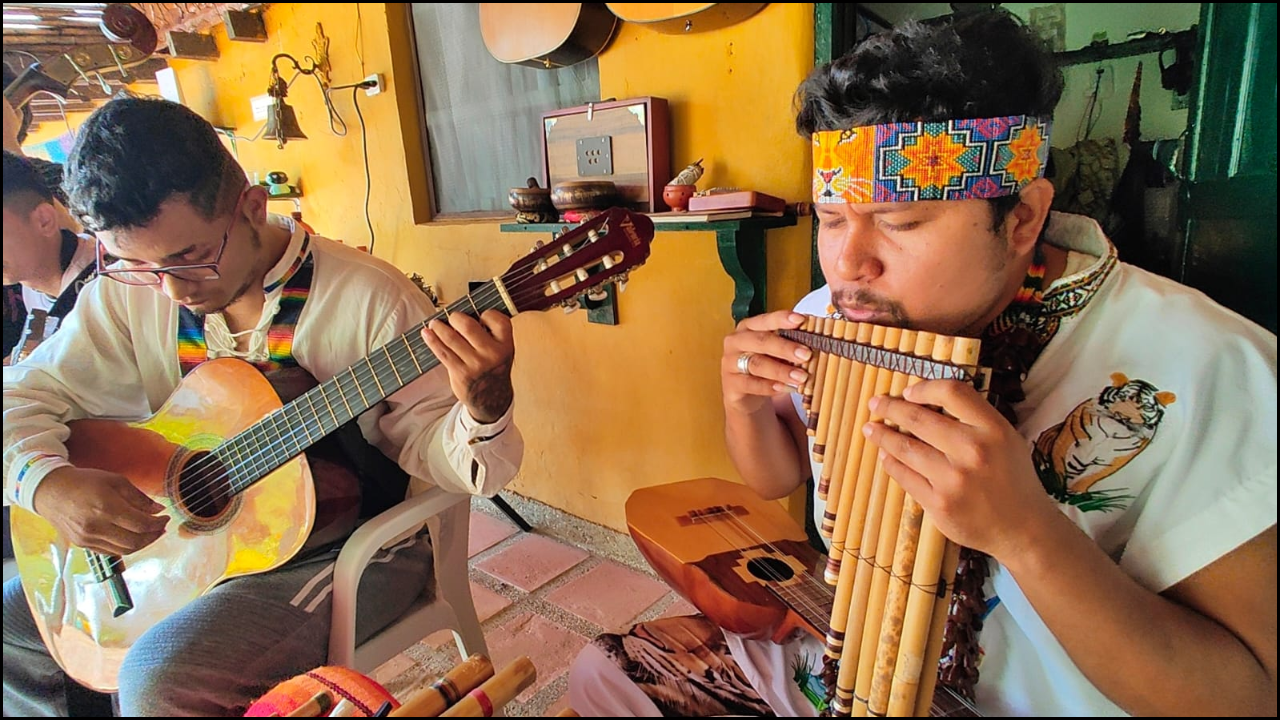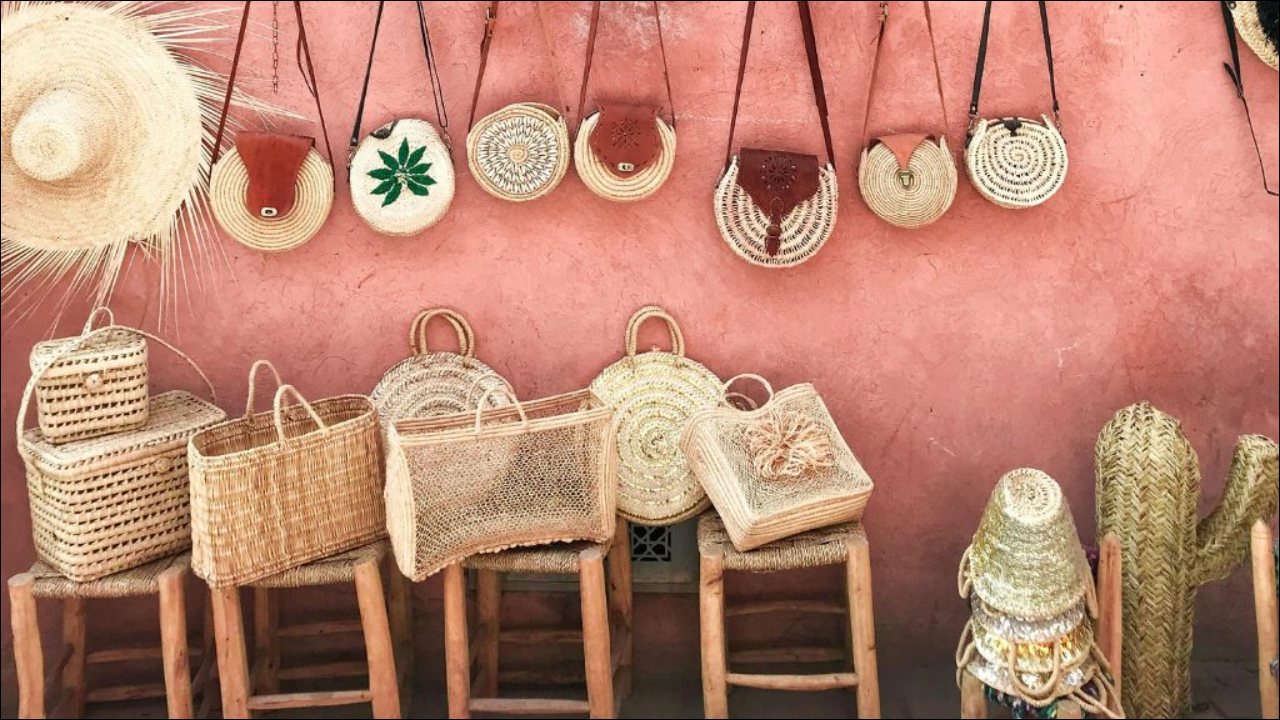
Cultural excellence in Cachoeiro de Itapemirim is deeply rooted in the mastery and dedication of its local artisans, musicians, storytellers, and performers. Recognition of these masters and practitioners is essential for sustaining the intangible cultural heritage of the region. Their craftsmanship, artistic expression, and commitment to preserving traditional practices serve as living testimonies of the city’s cultural identity. Acknowledging their contributions not only honors their individual achievements but also strengthens community pride and intergenerational learning.
Table of Contents
Importance of Recognizing Cultural Masters
Recognition of local masters in Cachoeiro de Itapemirim ensures that traditional wisdom continues to inspire future generations.
- Cultural continuity is maintained through respect for traditional experts.
- Community pride increases as residents identify with local role models.
- Transmission of skills is encouraged through mentorship programs.
- Economic stability improves for recognized artisans and performers.
- Documentation and visibility help preserve unique cultural expressions for the future.
Criteria for Recognition
Honoring local masters and practitioners involves transparent evaluation based on skill, authenticity, and cultural impact.
| Criterion | Description | Application in Cachoeiro de Itapemirim |
|---|---|---|
| Mastery of Craft or Art | Demonstrated excellence and originality | Recognized artisans in ceramics, weaving, and woodcraft |
| Cultural Authenticity | Faithful adherence to traditional methods | Folk musicians and dancers maintaining ancestral styles |
| Community Contribution | Sharing of knowledge and mentorship | Elders teaching youth traditional storytelling |
| Innovation within Tradition | Integrating creativity without losing heritage essence | Artisans blending classic and modern motifs |
| Longevity and Dedication | Long-term commitment to cultural practice | Practitioners preserving art for over 30 years |
Role of the Cachoeiro de Itapemirim Association
The Cachoeiro de Itapemirim Association plays a central role in recognizing and honoring cultural masters.
- Hosts annual award ceremonies to celebrate outstanding heritage practitioners.
- Organizes exhibitions and performances to showcase their expertise.
- Facilitates media features highlighting their cultural journeys.
- Supports documentation efforts through recordings and interviews.
- Encourages mentorship programs linking masters with young learners.
Recognition Programs and Awards
Several initiatives have been developed to formally acknowledge local cultural leaders.
| Program Name | Focus Area | Impact |
|---|---|---|
| Masters of Tradition Award | Honors lifetime dedication to heritage crafts | Encourages continuity of traditional techniques |
| Voices of Heritage Recognition | Acknowledges storytellers and musicians | Strengthens oral traditions |
| Youth Mentor Fellowship | Supports masters who train young apprentices | Promotes intergenerational knowledge transfer |
| Living Heritage Honor Roll | Lists individuals who safeguard regional practices | Enhances visibility of cultural contributors |
| Artisan of the Year Celebration | Highlights excellence in craftsmanship | Boosts economic opportunities for artisans |
Community Participation in the Recognition Process
Community involvement ensures fairness and inclusivity in selecting honorees.
- Local cultural councils nominate deserving candidates based on community feedback.
- Public voting in exhibitions adds a participatory element to recognition.
- Workshops and discussions allow practitioners to share their contributions.
- Cultural historians and academics assist in evaluating heritage authenticity.
- Schools and youth clubs promote awareness of local masters among students.
Public Platforms for Recognition
Different platforms have been used to give visibility and respect to cultural masters.
- Local museums and galleries display artisans’ works permanently.
- Radio and television programs feature interviews with heritage experts.
- Cultural festivals dedicate special segments to honor practitioners.
- Digital archives store biographies, performances, and artistic processes.
- Municipal websites publish heritage profiles of recognized individuals.
Economic and Social Impact of Recognition
Recognition creates tangible benefits that extend beyond personal prestige.
| Impact Type | Description | Outcome |
|---|---|---|
| Economic | Enhanced income through recognition-based promotion | Increased craft sales and performance bookings |
| Social | Elevated community status for artisans and performers | Greater respect and local admiration |
| Educational | Masters become trainers in heritage institutions | Broader knowledge dissemination |
| Cultural | Reinforces pride in local heritage practices | Preservation of traditional art forms |
| Touristic | Recognition draws cultural tourists | Strengthened cultural economy |
Collaboration with Educational and Research Institutions
Partnerships with universities and research centers enhance recognition efforts in Cachoeiro de Itapemirim.
- Joint research projects document traditional techniques and artistry.
- Workshops at cultural schools feature recognized masters as guest trainers.
- Publications compile biographies and photographic records of practitioners.
- Research grants support ethnographic studies on heritage preservation.
- Student exchange programs connect young artists with experienced mentors.
Challenges in Recognizing Local Masters
Despite progress, several challenges affect the recognition process.
- Limited funding restricts the number of awards and grants.
- Lack of documentation leads to underrepresentation of certain crafts.
- Rural isolation prevents many masters from receiving visibility.
- Generational disconnect reduces interest among youth in traditional arts.
- Need for standardized recognition criteria to ensure fairness.
Efforts to Overcome Challenges
Cachoeiro de Itapemirim continues to improve the recognition system for its cultural practitioners.
- Expansion of recognition categories to include diverse art forms.
- Partnerships with NGOs and cultural foundations to provide financial support.
- Mobile exhibitions to reach artisans in rural areas.
- Heritage storytelling events to promote public appreciation.
- Creation of a digital registry of masters for academic and promotional use.
Examples of Recognized Masters in Cachoeiro de Itapemirim
| Name of Practitioner | Field of Expertise | Contribution |
|---|---|---|
| João Pereira | Pottery and clay arts | Revived ancestral ceramic patterns |
| Maria Alves | Traditional weaving | Introduced natural dye techniques |
| Sebastião Lima | Folk music and percussion | Preserved local rhythms through school workshops |
| Helena Duarte | Oral storytelling | Documented and performed regional folklore |
| Carlos Mendes | Wood carving | Created heritage sculptures representing local legends |
Future Directions for Recognition Initiatives
The city aims to expand recognition initiatives through innovation and inclusivity.
- Digital heritage awards to honor masters via online platforms.
- International collaborations for global visibility of local artisans.
- Integration with tourism programs to create sustainable income.
- Creation of mentorship residencies pairing youth with heritage masters.
- Publication of annual heritage directories to record achievements.
Community Benefits of Recognizing Masters
The acknowledgment of local cultural experts brings holistic benefits to Cachoeiro de Itapemirim.
- Stronger community identity rooted in respect for cultural lineage.
- Encouragement of cultural learning among younger generations.
- Enhanced local reputation as a hub for traditional excellence.
- Greater participation in cultural festivals and exhibitions.
- Preservation of intangible heritage through personal narratives and practice.
Moving Forward
Recognition of local masters and practitioners in Cachoeiro de Itapemirim serves as a cornerstone of cultural preservation. Honoring these keepers of tradition not only safeguards artistic excellence but also fosters community pride and cultural continuity. By valuing their skills, providing platforms for exposure, and encouraging mentorship, the city ensures that its intangible heritage remains a living and evolving legacy. Through continuous recognition efforts, Cachoeiro celebrates both its past and its commitment to a culturally vibrant future.