Workshops on traditional performing arts play a vital role in preserving the rich cultural heritage of Cachoeiro de Itapemirim. These programs provide opportunities for the community, especially youth, to learn and practice music, dance, theater, and other performance-based traditions. By combining instruction with hands-on experience, workshops ensure that knowledge is transmitted across generations, skills are maintained, and cultural identity is strengthened. They also foster creativity, community participation, and public appreciation for local art forms.
Table of Contents
1. Objectives of Traditional Performing Arts Workshops
Overview: Workshops are designed to nurture talent, preserve traditional practices, and promote cultural awareness.
Key Objectives:
- Skill Transmission: Teach traditional music, dance, and theatrical practices.
- Cultural Preservation: Maintain authentic performance styles and techniques.
- Community Engagement: Encourage participation from all age groups.
- Youth Empowerment: Involve younger generations in heritage activities.
- Promotion of Local Talent: Provide a platform for emerging artists.
| Objective | Description |
|---|---|
| Skill Transmission | Teach practical techniques in music, dance, and theater |
| Cultural Preservation | Maintain authentic forms of performing arts |
| Community Engagement | Encourage active participation and collaboration |
| Youth Empowerment | Involve younger generations in cultural practice |
| Promotion of Local Talent | Provide recognition and platforms for artists |
2. Types of Performing Arts Covered
Overview: Workshops encompass a variety of traditional art forms that reflect Cachoeiro’s cultural richness.
Key Arts:
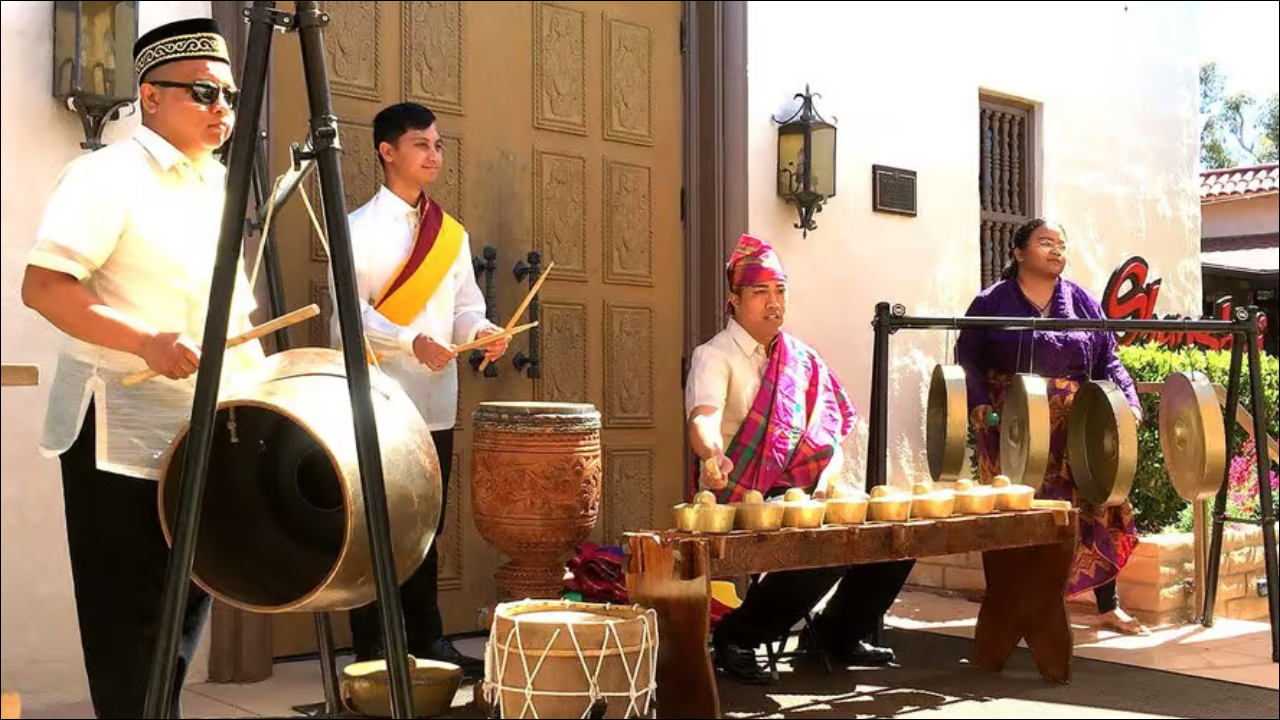
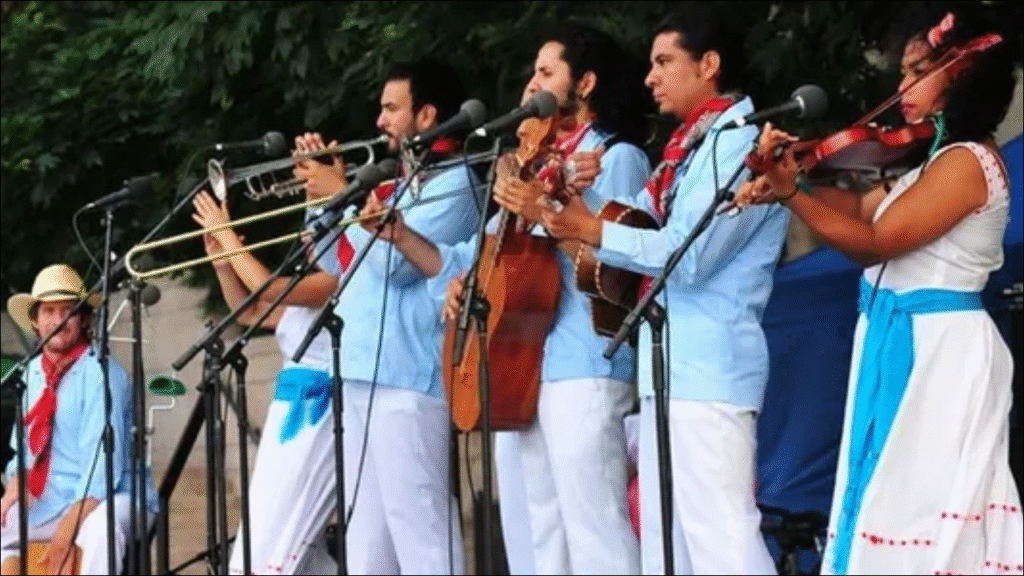
- Music: Folk ensembles, Maracatu, Choro, and traditional percussion instruments.
- Dance: Folia de Reis, regional dances, and festival choreography.
- Theater and Storytelling: Dramatic performances based on local legends and oral traditions.
- Ritual Performances: Religious or festival-based enactments.
| Art Form | Focus Areas | Cultural Significance |
|---|---|---|
| Music | Traditional ensembles and instruments | Maintains musical heritage and social cohesion |
| Dance | Folk and festival dances | Preserves choreography and local expression |
| Theater | Legends and stories enactment | Retains oral traditions and moral teachings |
| Ritual Performances | Festival-based enactments | Ensures continuity of ceremonial practices |
3. Workshop Structure and Methodology
Overview: Effective workshops combine theoretical knowledge with hands-on practice and community involvement.
Methodology:
- Introduction to Heritage: Overview of historical and cultural context.
- Practical Training: Hands-on instruction in music, dance, or theater techniques.
- Demonstrations: Experienced performers showcase skills and performances.
- Group Practice: Collaborative sessions to enhance teamwork and skill application.
- Performance Opportunities: Participants perform for peers, families, and the community.
| Component | Description | Outcome |
|---|---|---|
| Heritage Overview | Introduction to history and significance | Contextual understanding |
| Practical Training | Skill instruction in arts | Competency in traditional techniques |
| Demonstrations | Live performances by experts | Inspiration and modeling |
| Group Practice | Collaborative exercises | Teamwork and skill refinement |
| Performance | Community showcase | Confidence and cultural dissemination |
4. Target Participants
Overview: Workshops are inclusive and designed to involve diverse participants from the community.
Participant Groups:
- Youth and Students: Primary target for skill development and cultural education.
- Local Artists: Refresher sessions and advanced skill enhancement.
- Community Members: Broader participation to foster intergenerational learning.
- Tourists and Cultural Enthusiasts: Optional participation to promote awareness.
| Participant Group | Role in Workshop | Benefit |
|---|---|---|
| Youth & Students | Learners and performers | Heritage knowledge transfer and skill building |
| Local Artists | Mentors and advanced participants | Skill refinement and leadership |
| Community Members | Participants and supporters | Strengthen community ties and cultural pride |
| Tourists & Enthusiasts | Observers/participants | Cultural exposure and promotion |
5. Collaboration with Experts and Institutions
Overview: Workshops benefit from partnerships with cultural experts, educational institutions, and government bodies.
Collaborators:
- Local Artists: Provide authentic instruction and mentorship.
- Universities and Schools: Integrate workshops into curricula and provide venues.
- Cultural Associations: Coordinate programs and provide logistical support.
- Government Departments: Fund and promote workshops as part of heritage initiatives.
| Collaborator | Role | Impact |
|---|---|---|
| Local Artists | Trainers and mentors | Ensures authenticity and skill transfer |
| Universities & Schools | Host workshops | Educational integration and infrastructure support |
| Cultural Associations | Program coordination | Organizational management and outreach |
| Government | Funding & promotion | Sustains workshop programs |
6. Integration with Festivals and Events
Overview: Workshops are often timed around local festivals to provide practical applications of learning and community engagement.
Examples:
- Folia de Reis Preparatory Workshops: Training participants before festival performances.
- Music and Dance Festivals: Workshops held to teach performance pieces before events.
- Theater and Storytelling Shows: Pre-event workshops for community dramatizations.
| Festival/Event | Workshop Focus | Outcome |
|---|---|---|
| Folia de Reis | Dance and music rehearsals | Skilled performers for the festival |
| Music Festivals | Ensemble and instrument training | Public-ready performances |
| Storytelling Events | Drama and oral narrative practice | Cultural storytelling continuity |
7. Use of Technology in Workshops
Overview: Digital tools enhance learning, documentation, and accessibility of traditional performing arts workshops.
Applications:
- Video Recording: Document performances for learning and archival purposes.
- Online Tutorials: Supplement in-person workshops with digital resources.
- Virtual Workshops: Reach remote participants and promote broader engagement.
- Social Media Sharing: Showcase participant performances and encourage public interest.
| Technology | Purpose | Benefit |
|---|---|---|
| Video Recording | Archive performances | Long-term preservation and reference |
| Online Tutorials | Digital learning support | Enhance skill acquisition |
| Virtual Workshops | Remote participation | Wider accessibility and engagement |
| Social Media | Share performances | Promotion of heritage and youth engagement |
8. Benefits of Workshops on Performing Arts
Overview: Workshops provide multiple cultural, educational, and social benefits for Cachoeiro de Itapemirim.
Key Benefits:
- Cultural Preservation: Maintains traditional music, dance, and storytelling.
- Skill Development: Hands-on experience in performing arts.
- Youth Engagement: Encourages participation and interest in local culture.
- Community Cohesion: Strengthens connections across generations.
- Tourism and Cultural Promotion: Workshops attract visitors and showcase local talent.
| Benefit | Description |
|---|---|
| Cultural Preservation | Safeguards intangible performing arts heritage |
| Skill Development | Enhances participant abilities and techniques |
| Youth Engagement | Involves younger generations in heritage activities |
| Community Cohesion | Encourages collaboration and pride |
| Tourism Promotion | Raises visibility of local culture |
9. Challenges and Opportunities
Overview: Workshops face challenges such as limited funding, resource constraints, and maintaining consistent participation. These also create opportunities for innovation.
Key Challenges:
- Limited financial resources for large-scale workshops.
- Dependence on skilled trainers and mentors.
- Scheduling conflicts with schools and community members.
Opportunities:
- Incorporate digital tools to expand reach.
- Develop youth leadership programs to train future mentors.
- Partner with cultural festivals for practical performance opportunities.
| Challenge | Opportunity |
|---|---|
| Funding Constraints | Seek partnerships with NGOs, universities, and government grants |
| Trainer Availability | Train youth leaders to assist and mentor |
| Scheduling Conflicts | Plan workshops around school and festival calendars |
Closing Perspectives
Workshops on traditional performing arts in Cachoeiro de Itapemirim are instrumental in preserving the city’s intangible heritage. By teaching music, dance, theater, and ritual performances, these programs ensure that traditional skills are transmitted to younger generations. Collaboration with local artists, schools, universities, cultural associations, and government bodies strengthens workshop outcomes. Digital tools and integration with festivals expand reach, engagement, and visibility. These workshops not only preserve cultural practices but also foster creativity, youth participation, community cohesion, and cultural tourism, securing the city’s rich performing arts heritage for future generations.